

WELLNESS - MENOPAUSE · 5 min read · 14 October 2026
Active rest in perimenopause: what happened when I gave up coffee
A personal insight to reducing stress
On a fraught, wet weekend this summer, with all four children in the house, I swore and kicked the coffee table. On purpose. I’d spent the whole weekend racing around trying to be supermum, getting more and more wired and cross with everyone, and in that moment I knew something had to change. The fact that it was the coffee table hasn’t escaped me. This is the story of how I gave up coffee, discovered active rest, and started managing perimenopause on my own terms. It begins six months earlier, with a new friend.
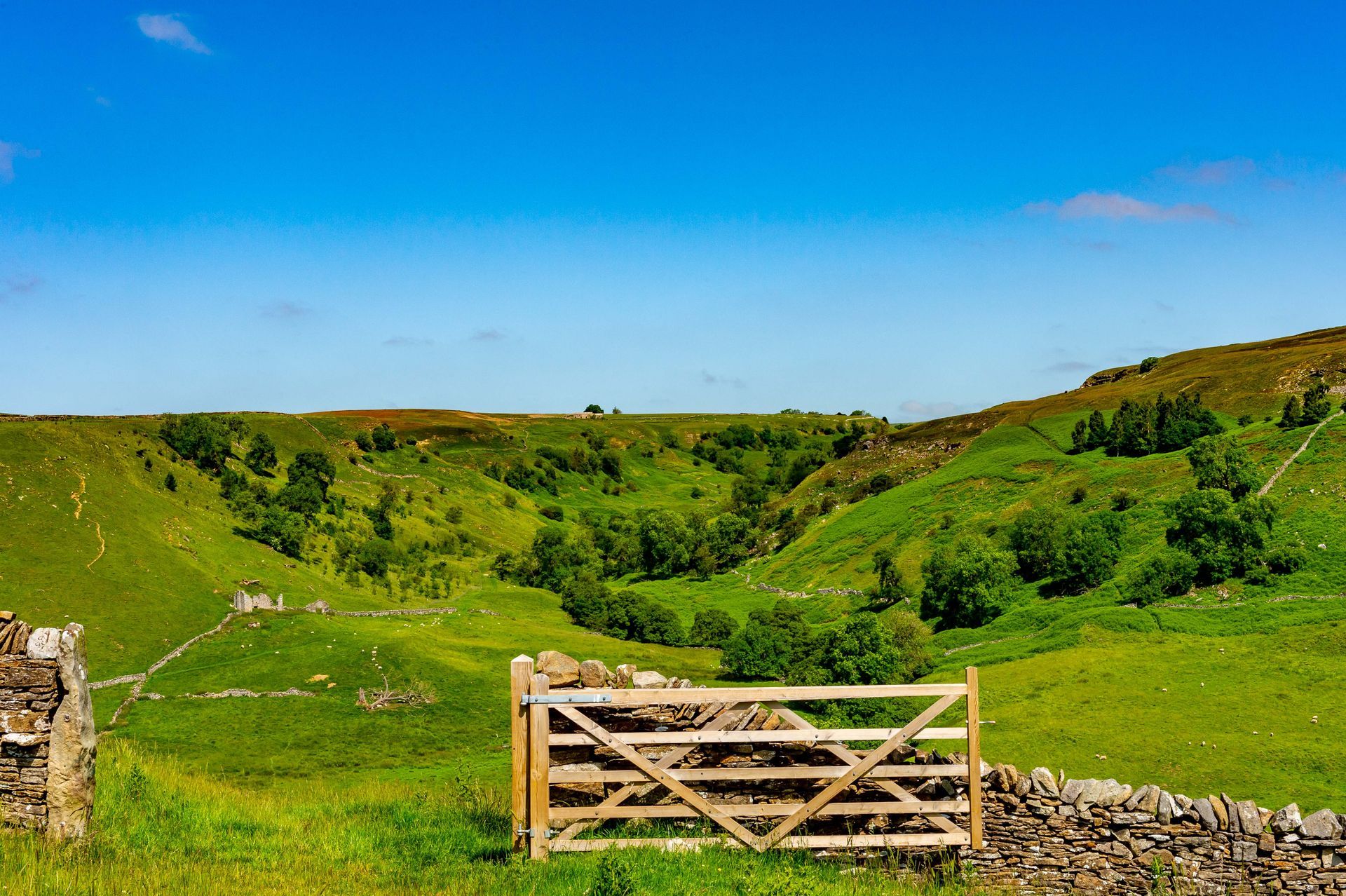
I have always kept a good crowd around me. Over the years I’ve sifted the wheat from the chaff, and the people I spend time with now are the ones who matter. So it’s a lovely thing when you think your circle is complete and someone new arrives who makes you wonder how you managed without them. Kim came into my life earlier this year. She’s a mother, an entrepreneur, a naturopath and a chef, and she joined me on retreat in the Yorkshire Dales. Our first proper conversation started with coffee. I’d finished the morning yoga class and gone into the kitchen for my first cup of the day, sun on my face, looking out over the Dales. I asked Kim if she drank coffee. She told me she’d only ever had one cup in her life, and it kept her awake for 36 hours.
That started a conversation about stress, stress hormones and feeling wired that lasted a good few hours. We were both in perimenopause, and it was the first time I’d really looked at how my daily habits might be affecting how I felt in this phase of life.
The result I ignored
When I got home, I took a DUTCH test under Kim’s guidance. It measures hormone levels in a lot of detail, and mine showed cortisol through the roof. The advice was clear: cut the caffeine. That was in April. I read the results, knew I needed to act, and did nothing. Summer came and went in the usual blur of busy, always on, always doing, until that weekend and the coffee table. As Kim says, life’s pressures only seem to feel heavier as you move through menopause. There’s no hiding from them. Letting go of coffee, slowlyI started by looking at what coffee really meant to me. I love the taste, but what I loved most was the ritual. Making a cafetière told my brain I had time, that life was good and slow. I used to wake up, make coffee and go straight to my computer, typing away. I even used to go to bed dreaming about waking up to coffee. Not the best sign.
Forty days ago I stopped drinking coffee completely and brought my caffeine down to one green tea a day. If I’d done that overnight in April, I think I would have failed. Instead, I spent the summer planting the idea of wanting to cut caffeine, and then built the right conditions for it to stick.
Now I start my day more calmly: a cold shower, ten minutes on my yoga mat, and then a green tea (or a decaf when I want the ritual). Only then do I start work. The habit faded far more quickly than I expected.
I REALISED HABITS CHANGE QUICKER THAN YOU THINK.
BIG ROCKS FIRST
I quietly looked at each area of my life to see what was causing me stress, what I could cut and what had to stay. The children, well, they had to stay. There’s no giving them back! They were the big rocks in the jar. Everything else had to be small enough to fit around them, like pebbles and sand filling the cracks: ten minutes of yoga here, a quick walk with a friend there.
So I cut my exercise time right back. I’d been stressing myself out whenever I didn’t have enough time to train, which was completely counterproductive. I reduced my running to two or three 5km runs a week and started walking much more instead, at a pace where I actually notice the hedgerows, the light and the weather coming in. I cut back on sugar. I gave myself some slack around always cooking super-healthy meals and doing the food prep, and I started saying no to some work and social commitments. Most of all, I looked honestly at the pressure I was putting on myself. Nobody else was asking me to be that busy. That was all me.
Out of that came the idea of active rest: rest as something you do, with intention, every day.
WHAT ACTIVE REST LOOKS LIKE FOR ME
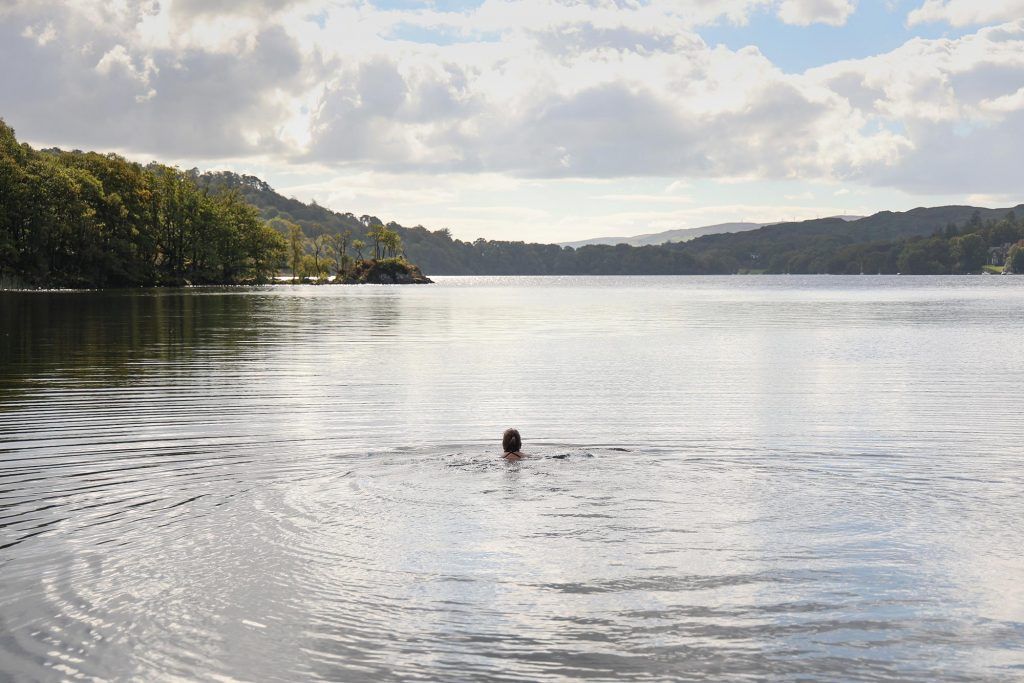
Active rest is a slower walk. It’s a quick dip at lunchtime instead of thirty minutes pushing myself in the water. It’s ten minutes of yoga instead of an hour, fresh air first thing in the morning, and moving in a way that feels kind. Kindness to yourself is probably the best way to describe it. In yoga we call it metta, loving-kindness.
There are still busy days and broken nights when I wake up craving coffee. When that happens I get on my mat, take a cold shower, go outside or move, and the craving passes. I’ve also started meditating again, and I’m really enjoying it.
LIVING AT 70%
I used to feel permanently wired. I had palpitations, and sometimes I’d have to go for a run just to burn off the fizzy feeling in my body. I aimed for 110% every day, and it left me in a mess.
Thanks to Kim, I now run my life at about 60 to 70%, and I get more done than I ever did at 110%. Who says we have to live at this ridiculous pace? Where did it come from? It has to stop.
My body feels different. I’m making better choices, and the calm I wanted has grown on its own, in its own time. Being able to write that still feels a little bit like a miracle.
This is my experience, but there are a few things I’d pass on:
- Be open to the conversation. Doing something one way your whole life doesn’t mean you can’t change it.
- Plant the seed before you pull the habit. Big changes stick when you’ve made space for them first.
- Put your big rocks in first. Work out what has to stay, then make everything else fit around it.
- Notice your own 110%. Ask who is actually asking you to live at that pace.
Perimenopause can be managed proactively. You can shape a life that helps you feel calm, and you don’t have to wait until things get worse to start.
P.S. Walking has become my favourite form of active rest, and if you think it's something you need more of too, we have two small-group walking retreats coming up: Wales, 20–22 November and Yorkshire, 13–15 March. Expect good walks, yoga morning and evening, proper food and time to slow down in good company.