

Your Midlife Hormone Spring Reset
Easing Brain Fog Through Movement and Nature
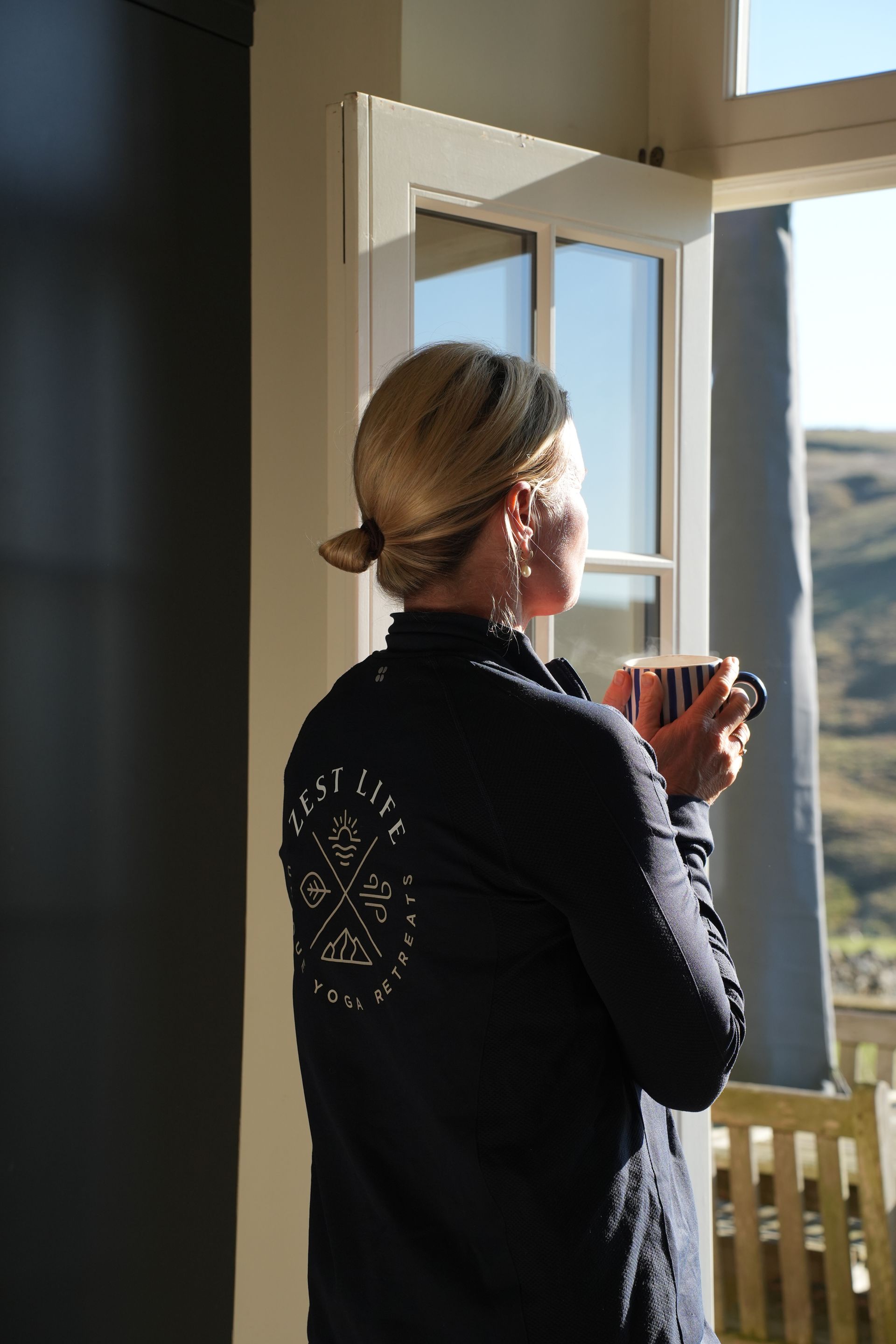
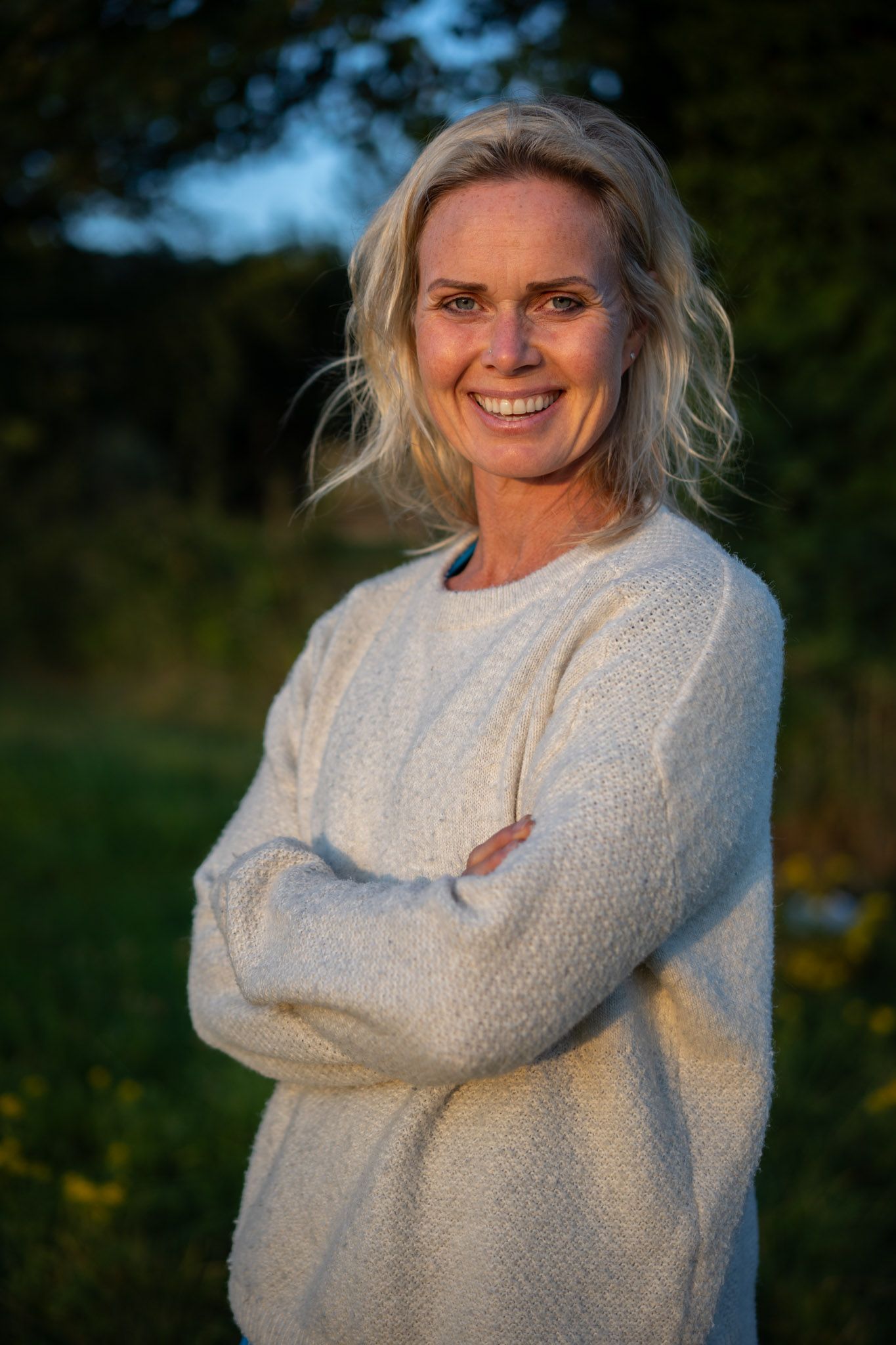
I think it’s safe to say that at 44, I’m in midlife, and I’m learning to embrace all that comes with that word. I put the kettle in the fridge the other day and the yoghurt in the cupboard. We can laugh about these symptoms of female midlife, and on the surface we can appear “fine.” But how often, when asked how you are, do you say “fine” when you know full well something, or many things, are off?
The thought of working on yourself can feel like too much. You’re at the bottom of the list. There’s always someone else to look after first. A doctor’s appointment for a blood test gets pushed back because there’s a child’s party to organise, a car to MOT, and life admin that never seems to end. And yet, our health doesn’t quietly fix itself with time. Those small signs we brush off, the tiredness, the fog, the irritability, often have deeper roots than we realise.
It was those very feelings that led to an aha moment for me this week. You know when someone comes into your life, almost out of nowhere, and you quickly realise how important that meeting was meant to be? Kimberly, our new chef here at Zest Life, is also a naturopath. She works with food, plant medicine, and looks at healing from a holistic perspective. During our last retreat we got chatting, and she recommended I do something called a DUTCH test. I had never heard of it. It looks at your hormones in detail, not just oestrogen and progesterone, which I’ve now learned are only small players in a much bigger picture.
Since having children, I’ve noticed mood shifts and irritability in the lead-up to my cycle. Physically, I thought I was fine, but emotionally I could feel something wasn’t quite right. So I decided to do the test, to understand what was going on before the bigger shifts of menopause really begin. Kimberly works alongside Debbie, and between them they are a powerhouse of knowledge when it comes to women’s health, the kind of women I wish I’d met ten years ago.
They talked me through my results, and they were more alarming than I expected. I have so much cortisol in my body that I am essentially living in a constant state of fight or flight. The melatonin that should take over at night and allow me to rest is barely getting a look in. I think I’ve been wired like this for years. When people talk about being “always on,” this is exactly it. Hormones keeping you in that tired but wired state, craving coffee, craving sugar, just to get through the day. Seeing it laid out in data was both shocking and saddening.
We spoke about menopause and how it doesn’t let you cheat. It brings everything that is out of balance to the forefront and often makes it feel worse before you are forced to do something about it. And here I am, a yoga teacher who runs retreats to help people switch off, being told I need to do exactly that myself. I think the most confronting part is that we exist in this state so easily in modern life that we don’t even realise it. We expect the mid-afternoon slump, the brain fog, the irritability. We accept it as normal. But this isn’t what thriving feels like. At times, it feels like a quiet struggle.
So what now? For me, it means doing the work. It means creating an exercise regime that works with my cycle instead of pushing through every single week. It means recognising that not all movement is equal, and that different phases require different types of movement. Instead of sticking rigidly to running three times a week and lifting weights twice, I need to learn how to train in phases, to protect my nervous system and bring my cortisol levels down. This is where movement for menopause stress becomes less about intensity and more about awareness.
Alongside that, there are other changes I need to make. Supporting my body with magnesium, vitamin D and omega-3, increasing hydration to help regulate hormones, cutting back on caffeine, which will be a challenge, giving my body time to reset, and spending more time outdoors in nature. Something as simple as green space walking for brain fog—stepping outside, moving gently, breathing fresh air—can have a profound impact on how we feel. These are simple things, but they require intention.
We hear phrases like “nervous system reset” all the time, but do we really know what they mean, and can we actually feel the benefit? I hope the answer is yes. Over the next six months, I’m committing to this reset, not as a quick fix but as a real shift, so that I can move through the day without relying on caffeine or sugar, so that my mind can focus, and so that the fog begins to lift.
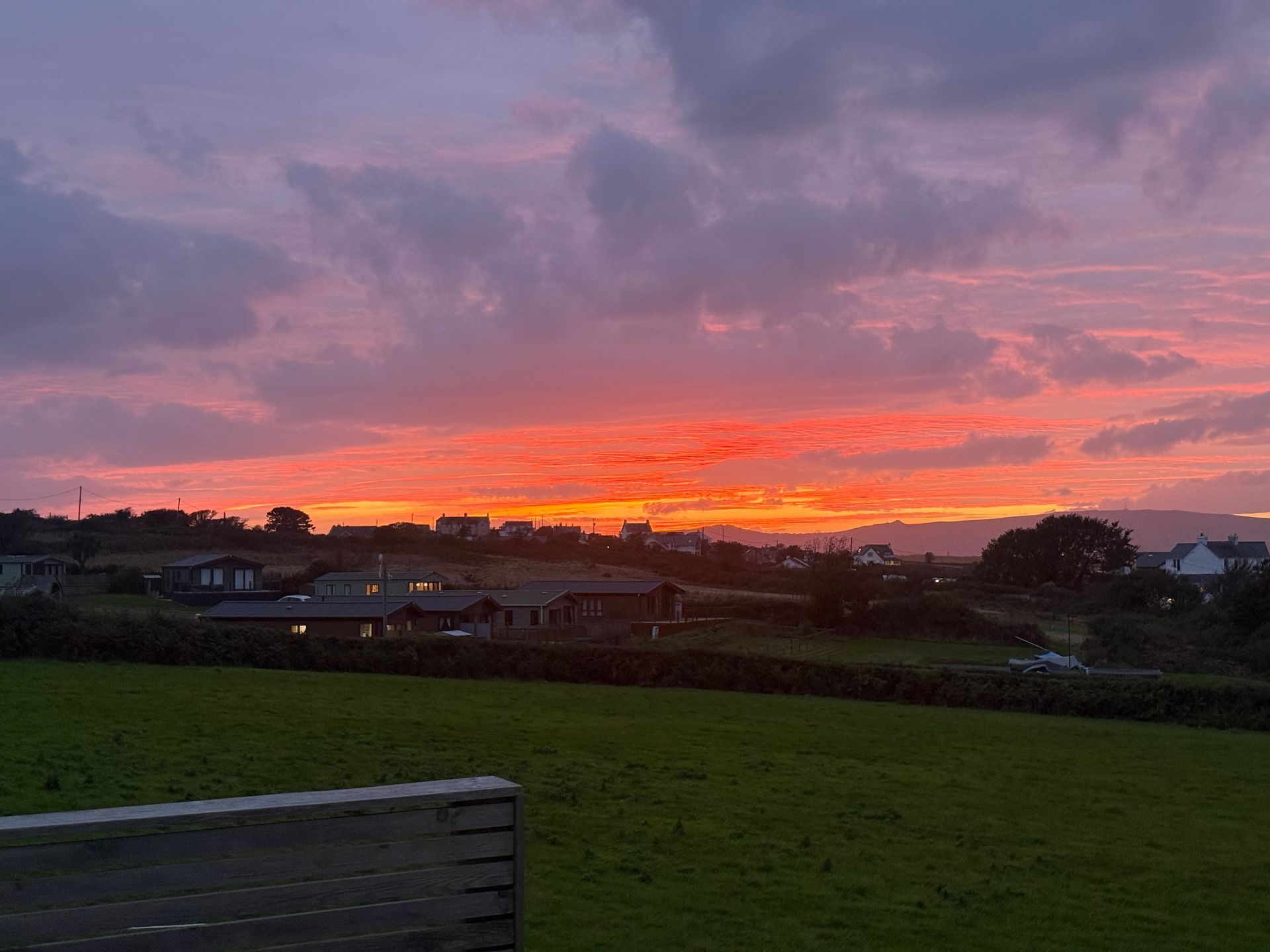
Spring feels like the perfect time to begin, a natural season for a spring wellness reset in the UK, where longer days and lighter mornings invite us to step outside and start again. But I know these changes won’t happen overnight. My body has become this way through years of coping and adapting, and it will take time to guide it back. Midlife is asking for something different. Not more pushing, but more listening.
I’ve always spoken about the importance of movement, but this has made me rethink what kind of movement we actually need. Not just more, but better. Movement that supports the nervous system rather than adds to the stress. Low intensity exercise for mental clarity, walking, gentle strength work, restorative yoga, time outdoors, this is the kind of movement that helps us regulate, rebalance, and feel like ourselves again.
Maybe this is what midlife is offering us. Not a decline, but an invitation to pause, to reassess, and to do things differently. And maybe, for some of us, that reset starts with stepping away for a while. A retreat, a pause, a chance to reconnect.
If you’re feeling tired but wired, foggy, or not quite yourself, I hope this reminds you that you’re not alone, and that change is possible. Midlife isn’t where we lose ourselves. It’s where we begin again, with more awareness, more intention, and a new way of thriving.
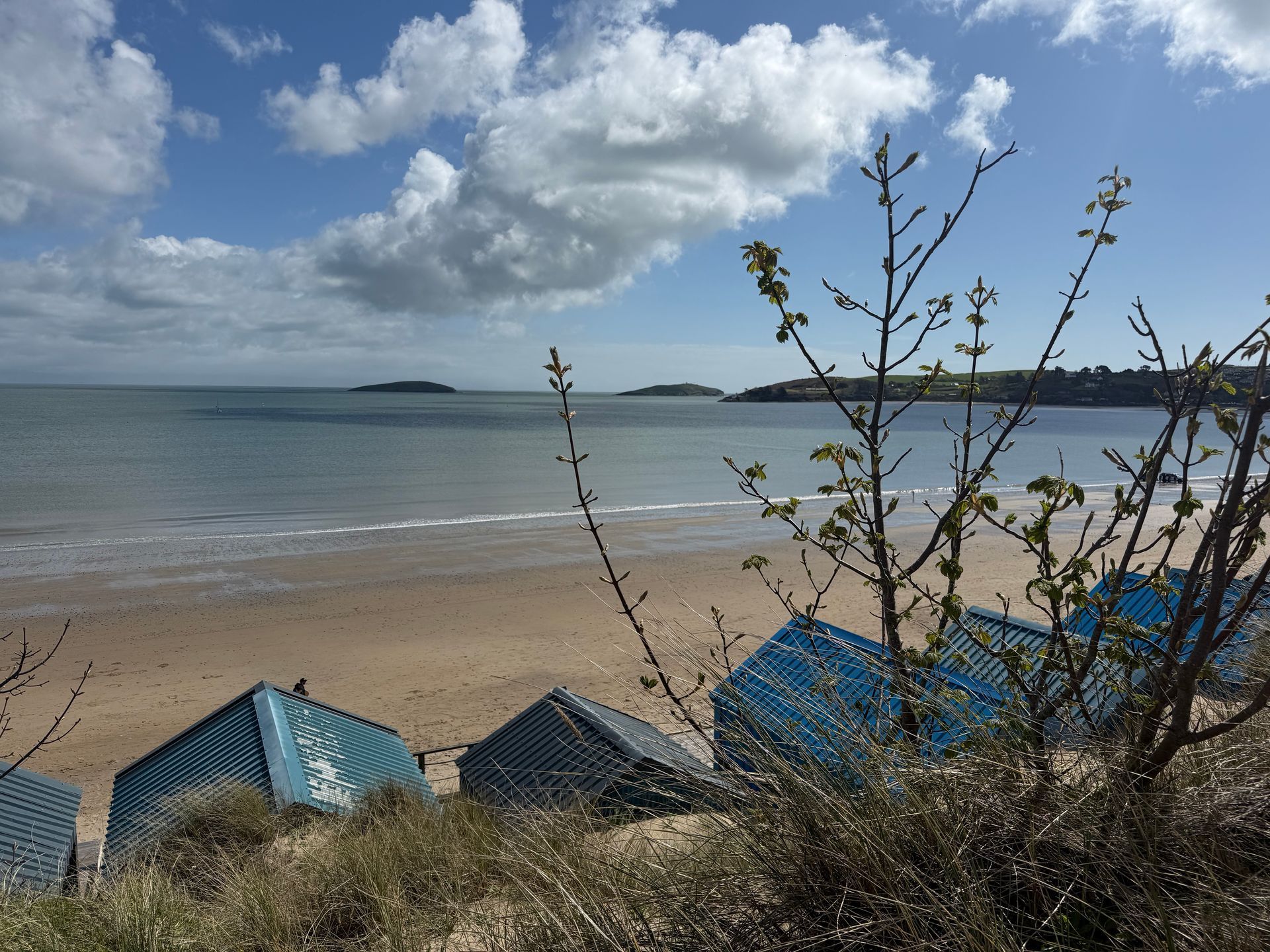
Now its time to put the kettle on and have a coffee, (decaf of course) and head to the beach!
Make some space for yourself
Small-group yoga retreats in Eryri, Anglesey, the Lake District and beyond, with wild swimming, walking and good food, all carefully held.