

Aging Actively: Why Women Over 45 Need Space Now
I heard something recently that stayed with me: we can age either passively or actively.
It made me think of my mum’s Morris Minor Traveller. She bought it about twenty years ago. It’s a beautiful pale blue, with soft wooden panels and shiny metal fittings. When she first had it, it ran perfectly and had a sparkle that made people smile as she drove through town.
Fast forward to now, and the car sits quietly. Rust has crept in, the shine has dulled, and the engine no longer runs. Not because it’s old, but because it hasn’t been tended to. Left outside, unpolished, unsupervised, it has aged passively. Yet with care, it could be exactly the same age today and still be running beautifully. It would still be old, yes, but it would be aging actively.
We are not so different.
As women, especially over forty, life has often asked a great deal of us. The past twenty or twenty-five years can be full of raising children, supporting partners, working, holding families together, and sometimes caring for ageing parents. We carry invisible emotional loads and organise the world around us, often without pausing to consider ourselves.
Then, around our mid-forties and early fifties, life begins to shift. Children become more independent, the house feels quieter, and we may have more time. At the same time, our bodies change, hormones shift, sleep patterns alter, joints ache, and energy fluctuates. Menopause asks us to adapt again.
It can feel unsettling, but it’s also a powerful moment to ask new questions: Who am I now? What do I want the next chapter to look like? How do I want to feel in my body? How do I want to spend my time?
Fifty often becomes a pivot point. You can begin to sit more and slow down, or you can choose to stay engaged with life.
I remember chatting with one retreat guest about this. She’s a mother, a wife, and also a Team GB triathlete, something she came to later in life after years of mothering. She said, “Yes, you feel like sitting more as you get older… but you have to find ways to keep moving. Once you give in to feeling old, it can become a downward slope.” And she’s right. Movement keeps the body alive, connection keeps the spirit alive, and curiosity keeps the mind alive.
I see this all the time on our retreats. One guest joined a swimming retreat last year and started by dipping her toes in the water. By the end of the week she was swimming freely, and this February she completed a 500-metre cold-water swim. Swimming has changed her life. She’s met new people, travelled to lakes she never imagined, and joined events that once seemed impossible. You can see it in her face: brighter, confident, alive.
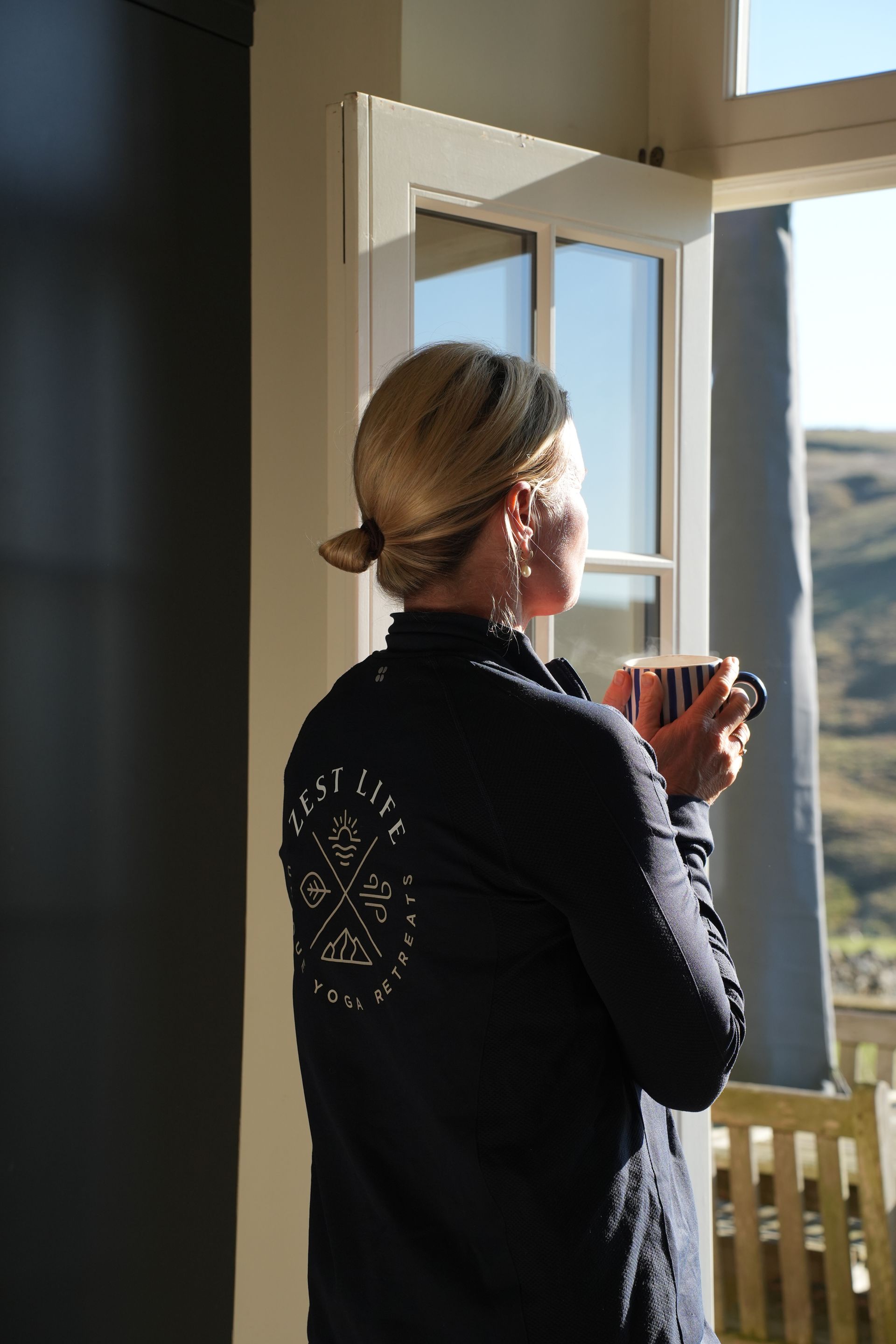
Women who come on retreat understand something important. They know that wellbeing is about tending to yourself, not perfection. Movement, nourishing food, deep rest, laughter, and connection are essential. Community matters. Looking after yourself isn’t selfish, it’s necessary. Retreats offer a pause, a few days away from constant responsibilities to step back into yourself.
Retreats are not indulgence; they are maintenance, like servicing a car. To move through life with energy and vitality, we must tend to ourselves. Choosing to age actively means doing so intentionally, not perfectly, but consciously.
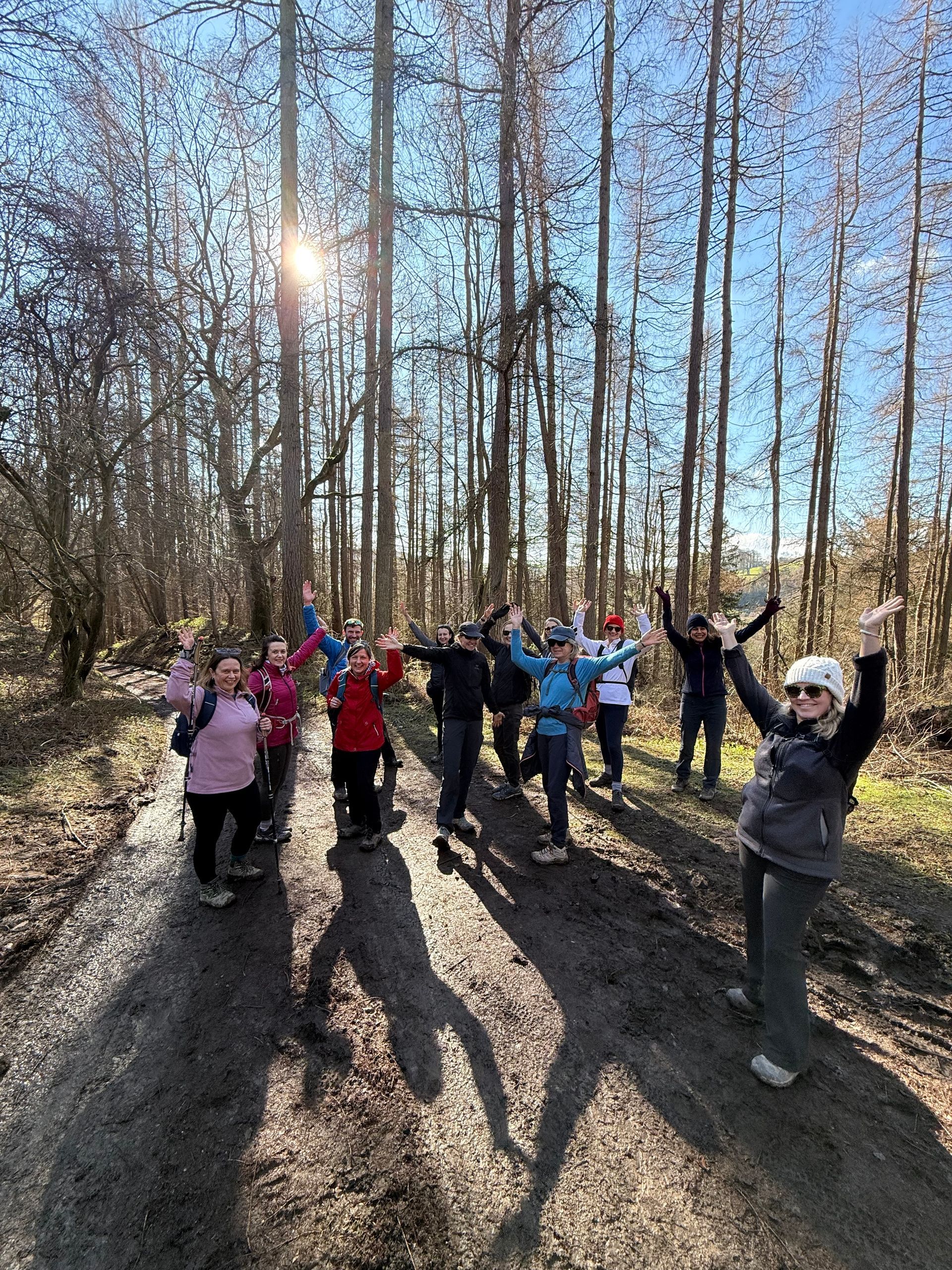
The women who join retreats are choosing movement over stagnation, connection over isolation, and curiosity over shrinking back from life. Life does not suddenly stop being vibrant at fifty; in many ways, it is just opening up again.
So here is my invitation: join the movement of women who refuse to rust. The years will pass whether we like it or not. The question is: how do you want to meet them?
Make some space for yourself
Small-group yoga retreats in Eryri, Anglesey, the Lake District and beyond, with wild swimming, walking and good food, all carefully held.