Beyond the Burn
Why Gentle Movement Might Be Exactly What Your Body Needs
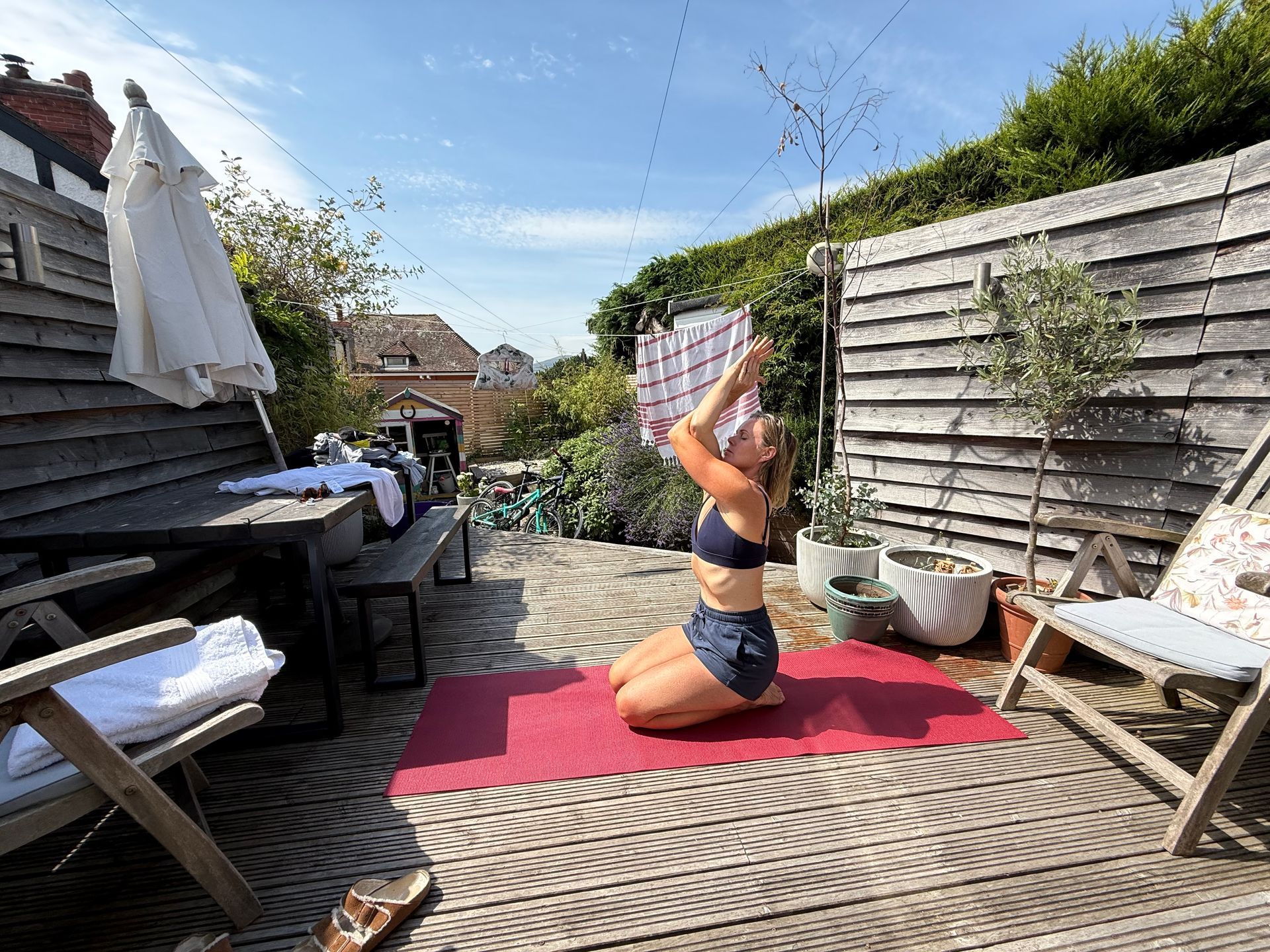
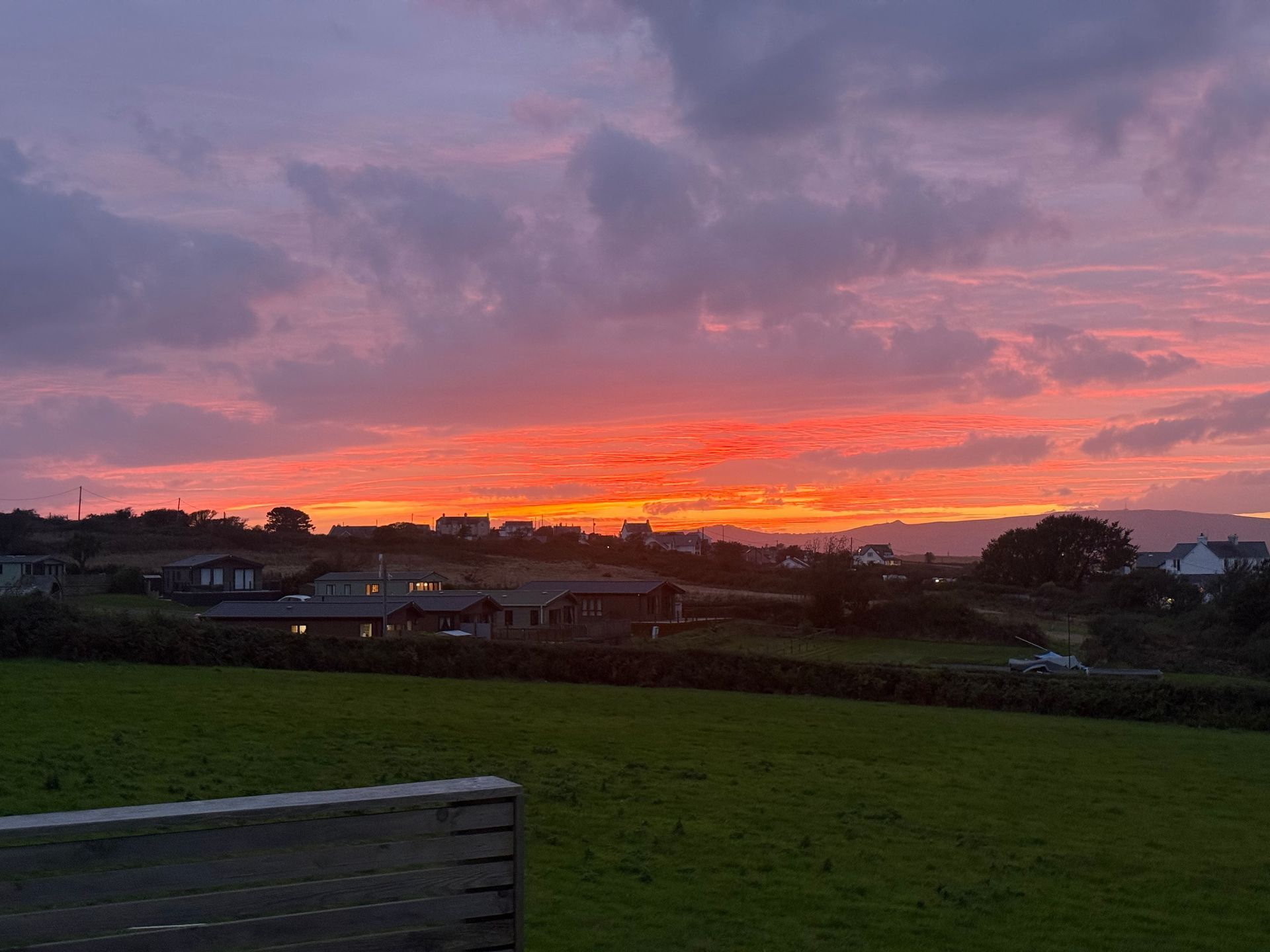
(My summer morning practise space, not perfect, but nothing every is. Roll out that mat and begin.)
For years I practised Ashtanga for two hours a day, six days a week, without fail. I only stopped for the full moon, the new moon - everything else bent around it. I had no ties, no pressure, nothing pulling at my time. It was my everything, and I was, if I’m honest, a little obsessed.
Twenty years on, I’m lucky if I get thirty minutes. And thirty minutes is plenty.
The shift isn’t really about time. It’s that I used to think quantity was the practice - more hours, more discipline, more sweat. Now I know it’s quality. This week I’ve been easing back into my own practice properly, because I’m off to teach in Norway next week and I’m curating six different classes for morning and evening. Classes with real intention don’t just happen. You have to sit with them first, and that means getting back on the mat myself.
So each morning this week, while the house has still been asleep and the world quiet, I’ve been moving. Sometimes following a video online, sometimes putting something together myself. A gentle flow. Not the kind of practice that revs you up - the kind that settles your nervous system down. Not going for the burn. Going for the chill. It’s been remarkable the difference jsut a few minutes can make to the course of the day.
Why gentle isn’t the lesser option
There’s a quiet myth in wellness culture that if you’re not sweating, breathless or sore the next day, it didn’t count. It’s the same instinct that used to have me measuring my worth in hours on the mat.
But your nervous system doesn’t care how intense a session looked. What it responds to is whether the movement told your body it was safe, or told it to brace. High-intensity exercise has its place, but done constantly - especially during busy, tired or hormonally shifting seasons of life - it can keep cortisol elevated rather than helping it settle. Low intensity movement, the kind that barely looks like exercise at all, works differently. It signals rest even while the body is moving. That’s not a lesser workout. It’s a different job being done.
This matters more, not less, as we get older. In midlife and through the menopause transition, the body is already managing more - sleep that isn’t what it used to be, a nervous system that’s had a lot asked of it, energy that doesn’t return the way it once did. Punishing movement on top of that isn’t resilience. It’s just more asking.
Gentle, steady movement - a slow flow, a walk, an easy swim, the kind of pace some call zone 2 - gives the body a chance to actually regulate rather than simply respond. It’s not about doing less because you’re capable of less. It’s about matching the movement to what the moment actually calls for.
Give your body what it needs, not what you think it wants
That’s the line I keep coming back to this week.
Those aren’t always the same thing. What you think you want might be the hour-long, sweat-through-your-kit class, because that’s what “counts” in your head. What your body actually needs might be ten minutes on the floor, breathing, barely moving at all. The only way to know the difference is to create a bit of space and quiet, and actually listen. Let your body lead, not your mind.
Your yoga or wellness journey never really has a summit. There’s no point where you arrive and think, that’s it, I’ve done it. And if there were a top of that mountain, there’d be nothing waiting for you there anyway. The practice is the point, not the destination.
The mountainside looks different every day, every year - it never stops shifting. So how you move, and how you choose to treat your mind, body and heart today, doesn’t have to look anything like how you treated it a decade ago, or even last week. It just has to be honest about what today actually calls for.
P.S. If you fancy trying a gentle flow like the one I’ve been doing this week, we’ve got a few practices over on You Tube - have a go and see how it feels.
Laura Bell is the founder of Zest Life and has been leading yoga and wellness retreats in the UK and abroad for over a decade. A qualified yoga teacher and experienced retreat leader, she designs and hosts small group retreats rooted in nature, movement and genuine care. Laura also works with organisations to design and deliver bespoke corporate wellness programmes and retreats - bringing the same standards of quality and thoughtful facilitation to workplace wellbeing.