
ZEST LIFE'S GUIDE TO
Walking in Yorkshire
DISCOVER
Yorkshire’s Dales, Moors and Coastal Paths
Yorkshire lends itself to walking with a quiet sense of scale: valleys that stretch for miles, moor tops that feel almost oceanic, and coastal paths where wind and light keep changing the mood. For many walkers, the appeal is the contrast, one day following a river between stone walls, the next crossing open heather with nothing ahead but sky.
In the Yorkshire Dales National Park, routes can feel naturally balanced, a steady approach, a clear climb, then a broad view that makes the effort feel worthwhile. In the North York Moors National Park, the drama is often quieter but more persistent, wind, space, and that feeling of being small in a landscape that does not hurry.
Yorkshire’s network of rights of way means you can shape walks around how you want to feel, restorative, exploratory, or properly challenging. With respect for livestock and farming, an eye on conditions, and a sensible plan for daylight, it is often possible to create days that feel adventurous without turning them into an ordeal.
The air can turn cold on exposed ground even when the valley is warm. The first mile may feel brisk, then your breath settles, legs warm, and the mind gets quieter with each step. With layers ready, food and water to hand, and time built in for unhurried pauses, walking here can become a practical ritual for resilience, clarity, and a steady kind of joy.
Incredible Walking Routes Throughout Yorkshire
Yorkshire Dales National Park and limestone country
Limestone country in the Yorkshire Dales National Park often feels different the moment you step onto it. The ground can switch from springy grass to pale rock underfoot, broken into clints (blocks) and grikes (cracks) where tiny pockets of shelter hold ferns and woodland plants. It is the kind of terrain that nudges you into moving more attentively, not out of fear, more out of respect for where you place your feet.
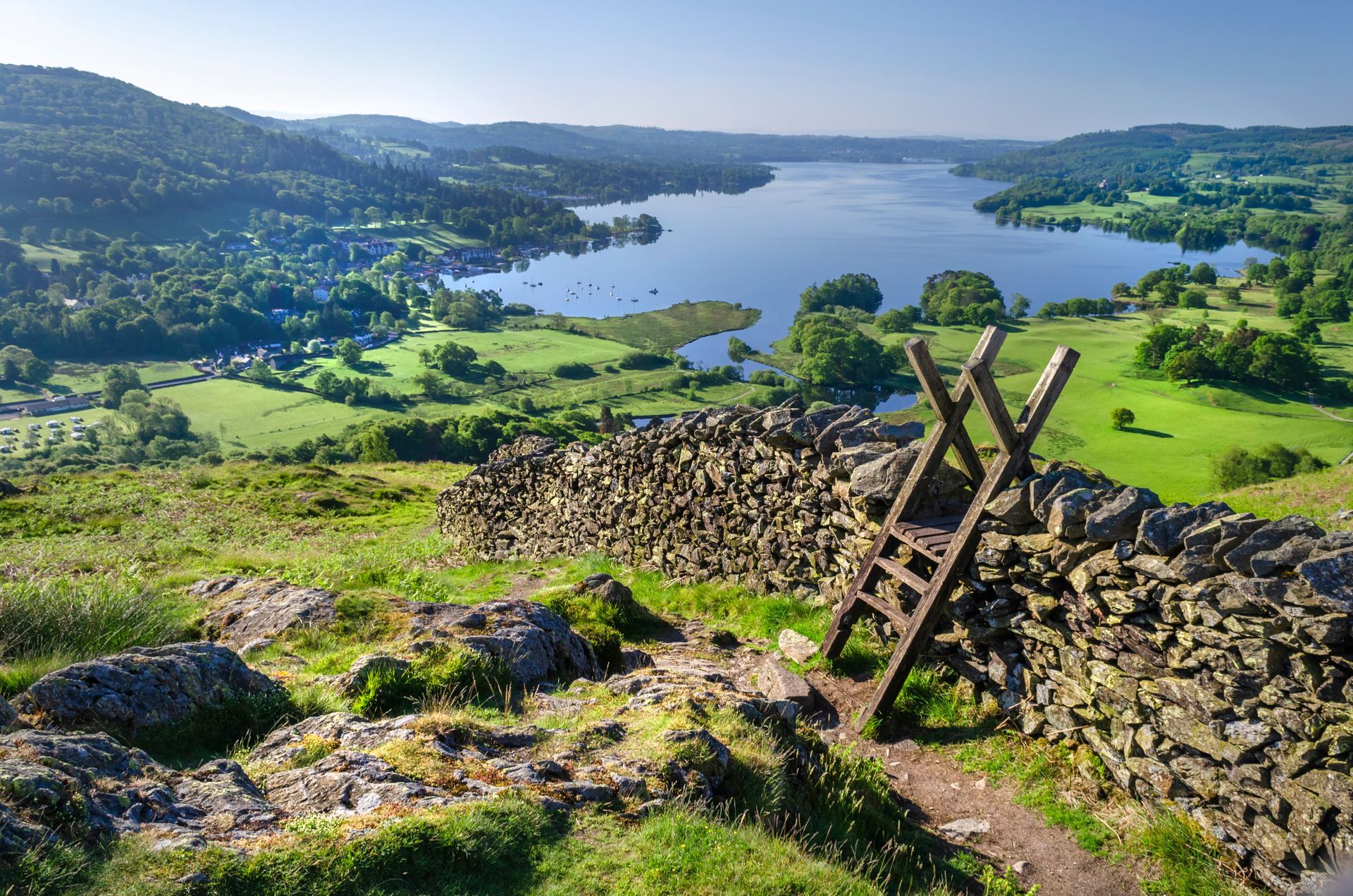
The Dales tend to offer walking that feels textured underfoot: grassy tracks, limestone pavements, and long valleys that make it easy to shape a day to your energy. Some routes feel expansive and airy, others are more intimate, folding through woods and along rivers before opening out again.
If you want a day that mixes big scenery with satisfying landmarks, Malham Cove can bring that sense of theatre without turning the day into an endurance test. The approach builds gradually, then the landscape shifts into a big, white arc of rock that can leave you momentarily quiet, in a good way.
For a softer day with water in the background, Aysgarth Falls often suits a slower pace. The falls create natural pause points, and the nearby paths make it easy to turn the walk into a sequence of small resets rather than one long push.
North York Moors and the coastal edge
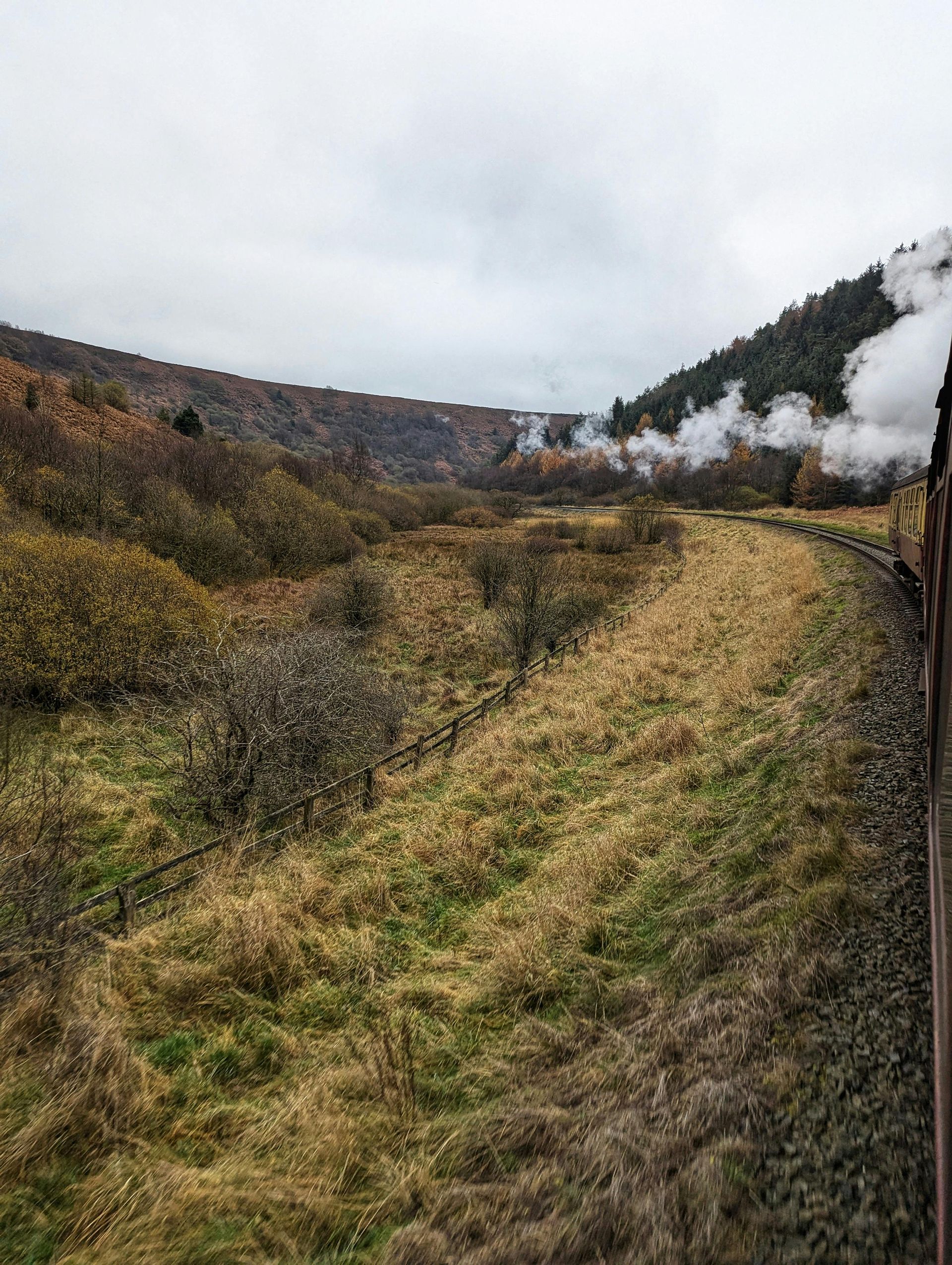
The Moors can feel elemental because so much of the landscape is open: high ground, heather, and horizons that keep going. Walking here often becomes uncomplicated in a reassuring way, a clear track underfoot, steady climbs, then a drop into a dale where the air warms slightly and the soundscape changes. On the tops, you may notice how quickly your attention narrows to the basics, breath, footing, the next gentle rise. Then, as you descend, the land can feel more held. Trees and valley folds soften the wind, birdsong returns, and the pace often shifts from purposeful to unhurried without you needing to force it.
Route planning in the Moors tends to suit a simple approach. Choose a clear line between landmarks, build in time for weather to change, and keep navigation straightforward with an OS map or offline mapping rather than relying on signal. Moorland ground can be deceptively tiring, especially if you drift off the main track onto softer, peaty sections, so it helps to pick routes that match the day you want, not the day you feel you should do.
On the coast, you get a different kind of clarity. Clifftop paths can bring a calm focus, especially on changeable days when cloud, sun, and sea keep reshuffling the light. The walking often feels more linear here, with fewer decisions and a strong sense of direction, which can be surprisingly restorative when your head is busy.
If you want a route with structure, the Cleveland Way gives you a well-established line across both moorland and coast. It can work well if you like a day that has a clear beginning and end, with the landscape changing around you as you go. For a shorter coastal day with natural stopping points, Bempton Cliffs has a marked clifftop trail with viewpoints that invite lingering rather than pushing on. It suits a slower pace, binocular moments, and that quiet satisfaction of turning back when you have had enough, rather than when the map says you should.
If you are building this into a retreat-style day, a practical rhythm could be: start on the moor tops while legs are fresh and the mind is noisy, drop into a dale for a longer pause, then finish with a coastal section where the sea air does the final reset. Warm layers for stops and a windproof outer tend to matter more here than fancy kit, especially when the weather cannot decide what it is doing.
Yorkshire’s Three Walking Landscapes: Dales, Moors and Coast
Dales
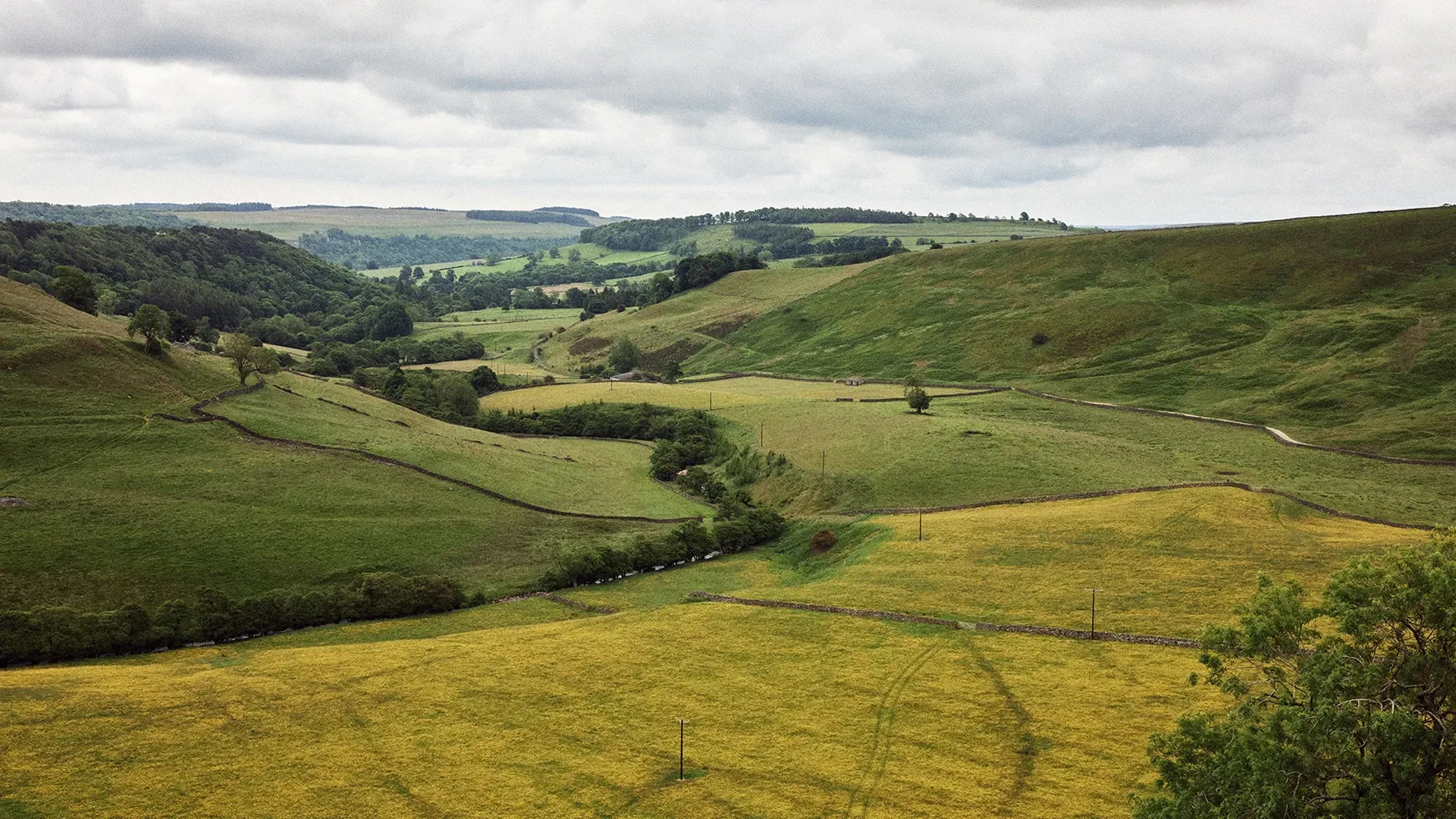
Walking in the Yorkshire Dales has a distinctive feel, shaped by limestone landscapes, long river valleys and a network of well-used public footpaths linking classic stone villages. For many people searching for Yorkshire Dales walks, the appeal is the variety in a compact area: gentle valley routes beside rivers and meadows, plus higher, more open fell walking when you want bigger views.
One of the features that makes walking in the Dales unique is the geology underfoot. Limestone pavements and scars bring a brighter, more textured terrain, where the ground shifts from grassy tracks to pale rock broken into clints and grikes. This gives Yorkshire Dales walking a different rhythm from other national parks, with moments that naturally slow you down, not because the route is difficult, but because the landscape is intricate and worth paying attention to.
The Dales are also known for landmark walks that feel memorable without needing extreme distance. Malham Cove is one of the most iconic Yorkshire Dales walking routes, with a clear approach, dramatic limestone scenery, and an elevated pavement above the cove. In Wensleydale, Aysgarth Falls adds an easy, water-led walking option with natural pause points and woodland paths that suit a slower pace.
If you are looking for more challenging Yorkshire Dales hikes, the Three Peaks area offers classic fell walking, bigger elevation, and a more exposed, upland feel. These routes reward steady pacing, good footwear, and sensible layers, especially when limestone steps are wet or wind picks up on higher ground. The result is walking that feels both grounding and expansive, with village charm, limestone drama, and wide valley views all in one place.
Moors
Walking in the North York Moors often suits people searching for big-sky, heather-moorland days with a strong sense of space. The landscape is largely a moorland plateau, cut by deep dales and edged by a dramatic coastline, so you can move from open, exposed tops to sheltered valleys within a single walk. The National Park also holds one of the largest continuous expanses of upland heather moorland in England and Wales, which is a big part of what makes North York Moors walks feel so distinctive.
Moorland walking here tends to be direct and honest. On the tops, routes often follow old tracks and broad lines between landmarks, with horizons that make distance feel easy to read. In late summer, when heather is in bloom, the colour can shift the whole mood of a day, even on a simple out-and-back. Drop into a dale and the tone changes: the wind eases, the air feels softer, and the walking becomes more intimate as woodland and valley sides narrow your focus.
For variety beyond open moor, the Moors also offer woodland walking that feels completely different underfoot. Dalby Forest sits within the National Park and is set up for everything from easy-going trails to longer, view-led routes, which can suit days when you want shelter, softer ground, and a calmer weather plan.
If you want a signature landmark walk, the Hole of Horcum area often delivers that “stop and look” moment, with a big viewpoint and a route that blends moorland track, archaeology, a dip into a wooded ravine, and a return climb that feels satisfyingly complete without needing huge mileage.
For longer-distance structure, the Cleveland Way National Trail is the headline route, crossing the North York Moors and then continuing along the North Yorkshire coast, which can suit walkers looking for a clear line to follow with changing scenery baked in.
For a tougher North York Moors walking challenge, theLyke Wake Walk is a well-known west to east crossing, typically described as exposed and demanding, with sections where preparation and navigation matter more than pace.
Coast
Yorkshire coastal walks tend to suit people searching for clifftop paths, sea views, and that clean, salt-air clarity that arrives when the weather is doing its own thing. The North Yorkshire coast in particular gives you a strong mix of big cliffs, small bays, and old fishing villages, with long-distance routes that make planning straightforward if you want a defined line to follow.
For walkers looking for a headline route, the Cleveland Way is one of the clearest options for “North Yorkshire coast walks”, because the trail reaches the sea at Saltburn-by-the-Sea and then follows the coastline to Filey, taking in high cliff scenery including Boulby. The coastal section is also rich in built-in landmarks, with places like Whitby Abbey and Scarborough Castle sitting naturally on the route, so the day often feels like a sequence of viewpoints rather than a single push.
If you want coastal walking that feels more flexible, the King Charles III England Coast Path provides another structured way to explore the coastline, including sections through the East Riding around Flamborough Head. The path also runs through Flamborough Cliffs nature reserve, which can suit shorter out-and-back walks where you still get strong cliff scenery without committing to long mileage.
For a contained “best of” coastal day that is easy to describe on a page, RSPB
Bempton Cliffsis a useful reference point: the clifftop trail is 2 miles and RSPB suggests allowing around 1.5 hours, with multiple viewpoints designed for lingering.
Read more about walking in Yorkshire
Yorkshire’s wider nature experiences
Yorkshire walks often double as wildlife walks, even when that is not your main intention. In the Yorkshire Dales, keep an eye on dry-stone walls and rough pasture for meadow pipits and skylarks, and scan higher crags for birds of prey riding the thermals. Along rivers and becks, you might spot grey wagtails flicking along stones, while quieter pools can hold dippers that bob and plunge with startling confidence.
On the North York Moors, the big story is moorland species. In late summer the heather can hum with invertebrate life, and you may hear the sharp calls of curlew and lapwing across open ground. If you pause at the edge of woodland or bracken, you might catch a glimpse of deer moving through cover, or a sudden burst of flight from a grouse. The best sightings often come when you stop walking for a minute, soften your gaze, and let the landscape move first.
On coastal paths, wildlife becomes part of the horizon. Cliffs can host seabirds, and headlands often give you a vantage point for watching gulls, cormorants and, in season, larger migrations. Early mornings and quieter weekdays can feel especially alive, when the wind drops, the sea settles, and the coast becomes less about distance and more about noticing what shares the edge with you.
Eco-Tourism and Conservation
A Yorkshire walking holiday can be a genuinely low-impact way to travel, provided you treat the landscape as working habitat rather than empty scenery. The Yorkshire Dales, North York Moors and the coast are all shaped by a balance of farming, conservation, and public access, so the most sustainable walks often come down to simple choices: stick to established rights of way, keep dogs under close control near livestock and ground-nesting birds, and move quietly through sensitive areas rather than treating every viewpoint like a destination to conquer.
Season and ground conditions matter more than many visitors expect. After heavy rain, soft paths and peat can be easily damaged, and on exposed moorland a small detour can widen into erosion over time. Choosing firmer routes, avoiding saturated ground, and spreading footfall away from the busiest honeypots can protect fragile habitats while giving you a calmer, less crowded experience. On the coast, giving cliff edges a respectful margin is both a safety decision and a conservation one, as nesting sites and unstable ground may sit closer than they look.
A more thoughtful approach to eco-tourism in Yorkshire also includes where you spend. Locally owned cafés, village shops, independent guides, and small accommodation providers tend to keep value in the community, which helps sustain the places people come to walk. Add in practical travel choices, public transport where it fits, car-sharing, longer stays with fewer transfers, and Yorkshire becomes not just a beautiful walking destination, but a place where travel can feel lighter on the land and better for the people who live there.
Villages, Inns and Market Towns
Yorkshire’s best walking days often start and finish in places that feel properly lived-in. In the Dales, villages like Grassington, Hawes and Reeth make reliable bases for Yorkshire Dales walks, with clear footpaths leaving straight from the edge of town, plus somewhere warm to come back to when the weather turns. If you want to reduce driving, DalesBus is a useful planning tool for linking point-to-point routes, especially in peak season when some extra services run.
Inns still work as practical waypoints, not just “nice stops”. A village-to-village route such as Grassington to Burnsall along the River Wharfe suits a gentler day, while Reeth to Gunnerside has that classic Swaledale feel of open valley, stone barns, and steady pace. If you want a walk with a built-in landmark finish, Hawes to Hardraw Force gives you an obvious focal point, which can make the day feel coherent when you are choosing between a dozen tempting paths.
Market towns can add structure and atmosphere to a walking break, particularly if you anchor a route around somewhere you actually want to spend time. Richmond works well for Swaledale edges, with its castle and big market place vibe, while Helmsley is a strong base for North York Moors walks and heritage outings. Planning a shorter loop that returns you to town for late lunch often feels more Yorkshire than pushing for maximum miles, and it tends to leave you with that quietly satisfied, rosy-cheeked tiredness rather than a forced finish.
Abbeys, Castles and Seasonal Traditions
For “historic walks in Yorkshire”, the landscape gives you ready-made anchors. Fountains Abbey and Studley Royal can be built into a circular day where woodland, deer park and ruins sit naturally on the route, so the walking feels like it has chapters rather than one long line. In the Moors, Rievaulx Abbey sits in a sheltered valley, and pairing it with Helmsley as a start or finish point turns a simple walk into something with a medieval backbone.
On the coast, heritage often comes with altitude and views. Whitby Abbey gives you that headland drama people search for when they type “Whitby coastal walk”, and it also makes a natural link-in point if you are walking sections of the North Yorkshire coast path network. Scarborough Castle has a similar effect further south, sitting on a prominent headland where the history and the viewpoint compete for your attention, in a good way.
Seasonality can change how these places land. Late summer on the Moors often brings heather colour and a softer light, while crisp winter days can make abbey stones and coastal headlands feel sharper and quieter. The practical tip is simple: treat one major site as the day’s centrepiece, then build a route that leaves you enough time to arrive unhurried, linger, and still get back before dusk, especially outside midsummer.
Boots, Layers and OS Maps
Yorkshire underfoot conditions vary more than visitors expect. In limestone areas, polished rock steps and worn paths can feel slick after rain, while moorland routes can switch from firm track to peaty softness that saps energy faster than the distance suggests. On clifftop walks, mud and wind exposure can arrive together, so grip and stability often matter more than lightweight speed.
Layers are not optional in any meaningful sense, particularly on exposed moors and coastal edges where wind chill can bite even on a mild forecast. Mountain Rescue guidance is blunt for a reason: spare layers, hat and gloves, plus enough food, water, torch and a whistle can turn a stressful situation into an inconvenience.
For navigation, the easiest way to feel calm is to match your map to the landscape. OS Explorer OL2 covers the Yorkshire Dales south and west, including the Three Peaks area, while OS Explorer OL30 covers the Dales north and central, including Wensleydale and Swaledale. For the western North York Moors, OS Explorer OL26 is a solid reference, and downloading maps for offline use can help when signal fades in dales and on the tops.
SWIMMING
RETREATS
Yoga & Walking
MARCH 8-12 • 2027
4 NIGHTS • MID-WEEK
MELANIE HUTTON
YORKSHIRE
FROM: £1,325
DALE WALKS
RIVER DIPS
HOT TUB
11 / 12 PLACES REMAIN
Yoga & Walking
MARCH 12-15 • 2027
3 NIGHTS • LONG WEEKEND
LAURA BELL
YORKSHIRE
FROM: £1,125
DALE WALKS
RIVER DIPS
HOT TUB
11 / 12 PLACES REMAIN
Walking Retreats in Yorkshire with Zest Life
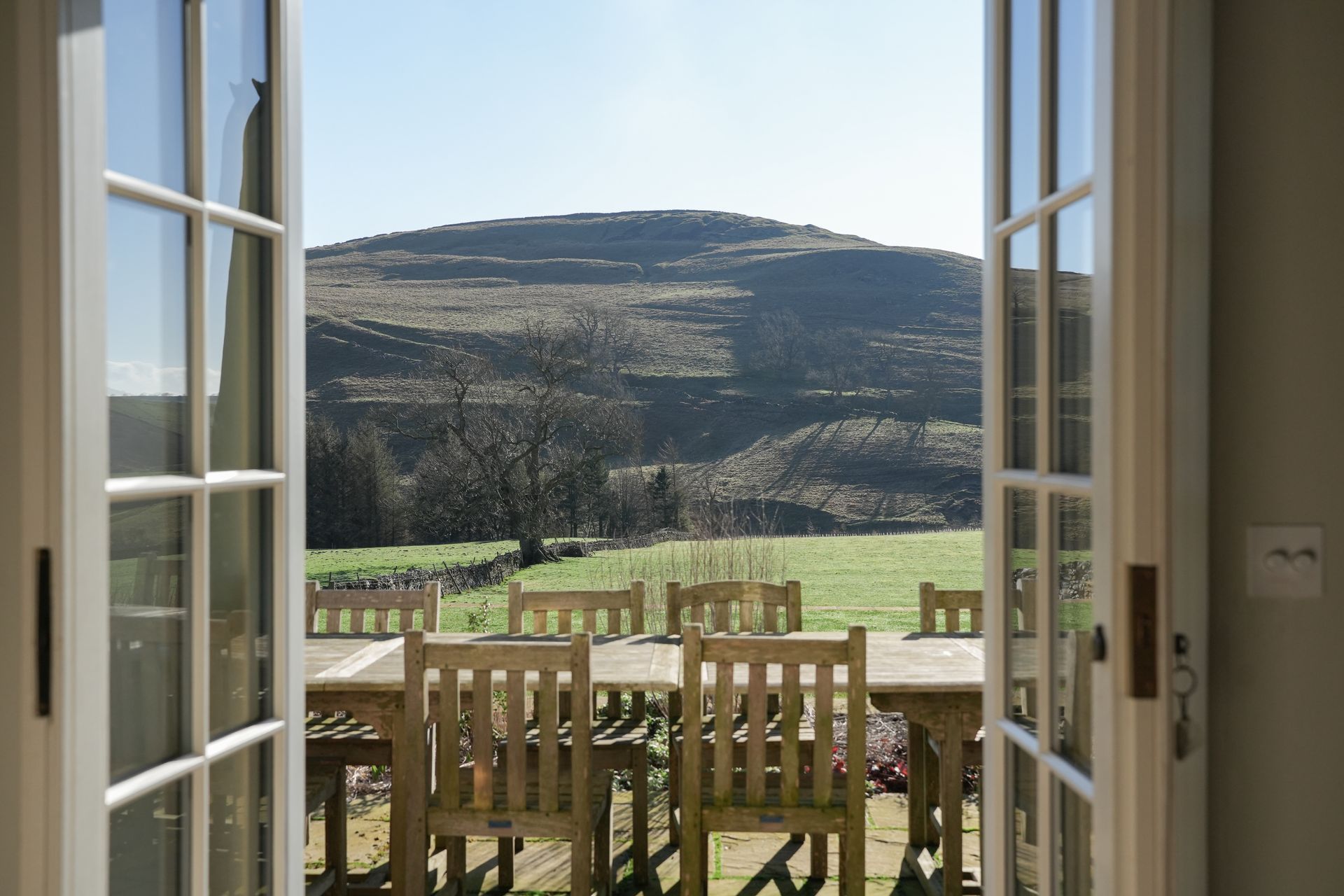
Zest Life hosts a walking and yoga retreat in Yorkshire that is designed around the steady pleasures of the Yorkshire Dales, daily movement outdoors, and yoga that supports the body properly. The retreat is based in the Swaledale Valley, one of the quieter corners of the Dales, where rolling hills, river lines and open skies make it easy to slow your pace and settle into the landscape.
This is a 4-day retreat (March 6 to 9) built to balance activity and rest: energising morning vinyasa to warm you up for the day, guided Dales walks that suit the season, and slower evening yoga to help tired legs soften and recover. Early spring brings crisp air, longer views, and that first lift of green returning to the hillsides, which is exactly why these dates work so well for walking in Yorkshire.
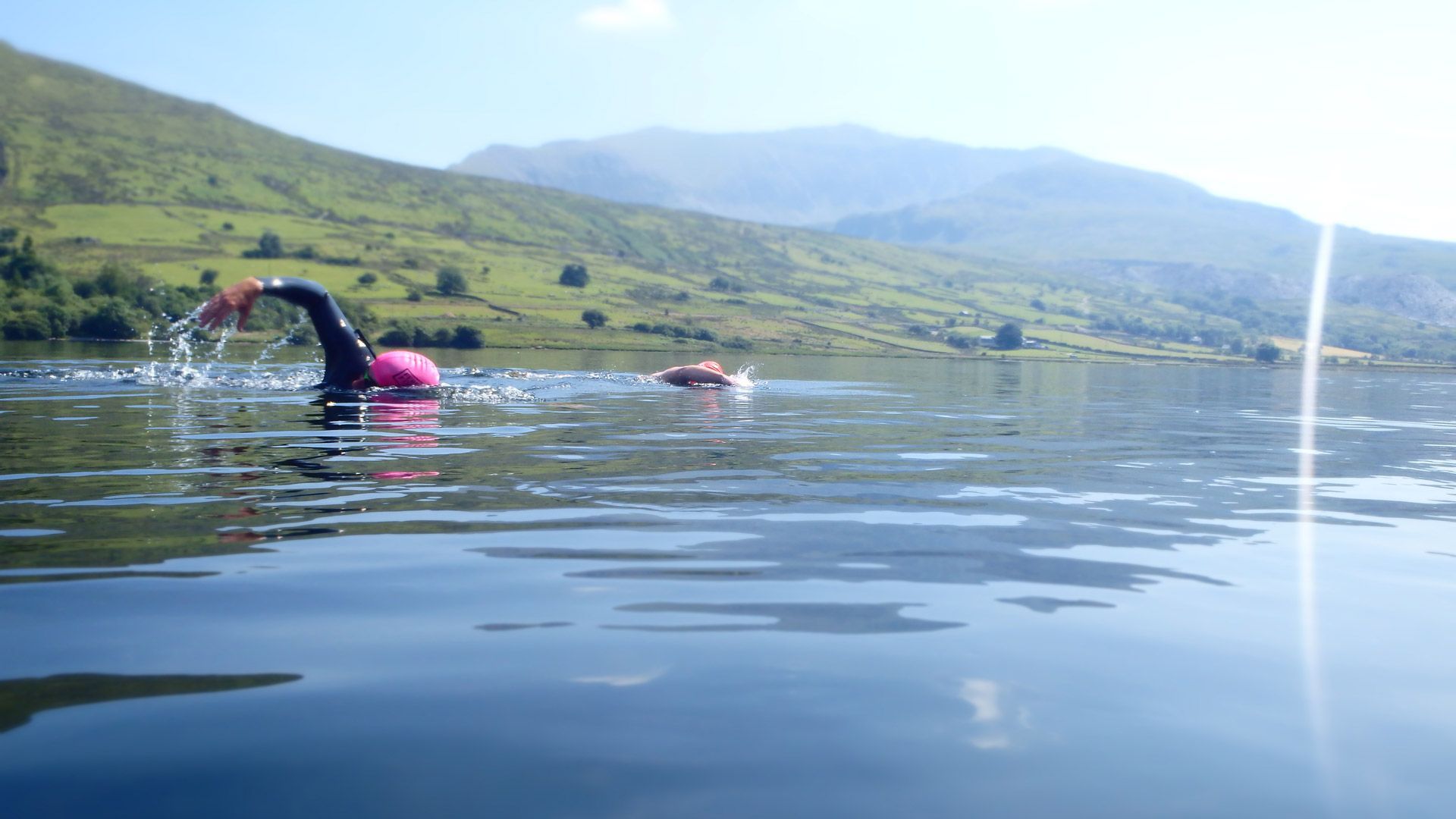
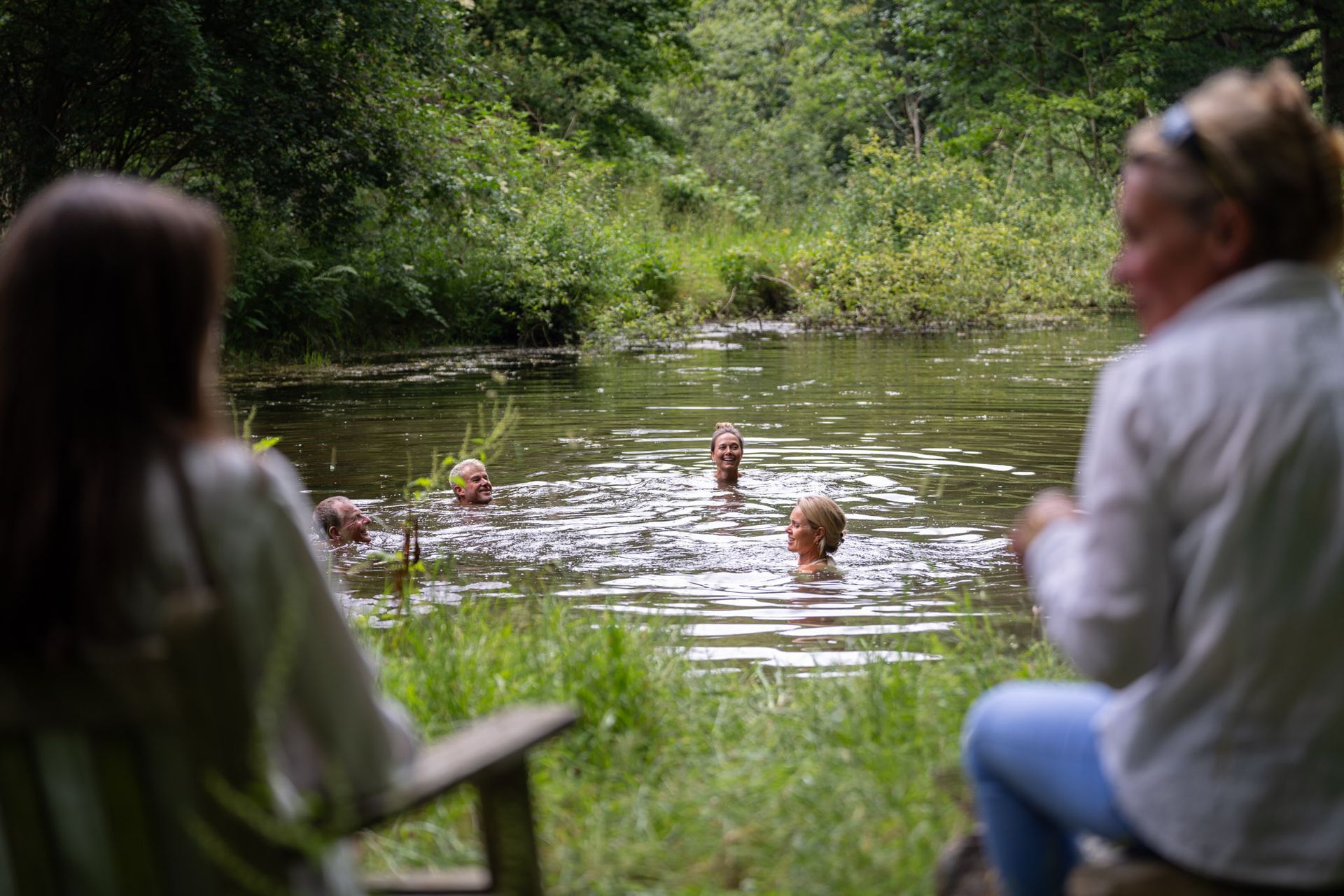
You will stay for three luxury nights at Telfit Farm, with plant-based meals included and plenty of space to unwind between sessions. Days may finish with a cool river dip followed by time in the hot tub and sauna, and you can add an optional massage if you want the weekend to feel even more restorative.
If Yorkshire is calling, you can explore the full retreat details here:
https://zestlife.co.uk/yorkshire-march-6-9
WHAT’S INCLUDED
- Three nights luxury accommodation at Telfit Farm, Swaledale
- Two guided walks in the Yorkshire Dales (around 2 hours or 10km)
- Six yoga sessions across the retreat (morning flow and evening restorative)
- Wholesome, plant-based breakfast, lunch and dinner
- Unlimited teas, coffee, fruit and infused water
- Yoga equipment provided (mats, blocks, props)
- Private access to the wider estate, plus river access, sauna and hot tub
- Linen, towels and toiletries
- Full support from the Zest Life hosting team throughout your stay
ready to dive in?
Book Your Yorkshire Adventure
Reserve your place on a Zest Life Yorkshire yoga and walking retreat today. Experience the exhilaration of walking on the incredible Yorkshire Dales, the grounding focus of daily yoga practice, and the deep restoration of immersion in England's most beautiful landscape.
Got any queries
Just ask us
We’re here to help, sort booking or simply answer any questions you have.
Call & WhatsApp : 07424 410 133
Email : info@zestlife.co.uk
Keep up to speed