

Why Reading Is a Form of Slow Medicine in Midlife
How a simple daily ritual became one of the kindest things I could do for myself
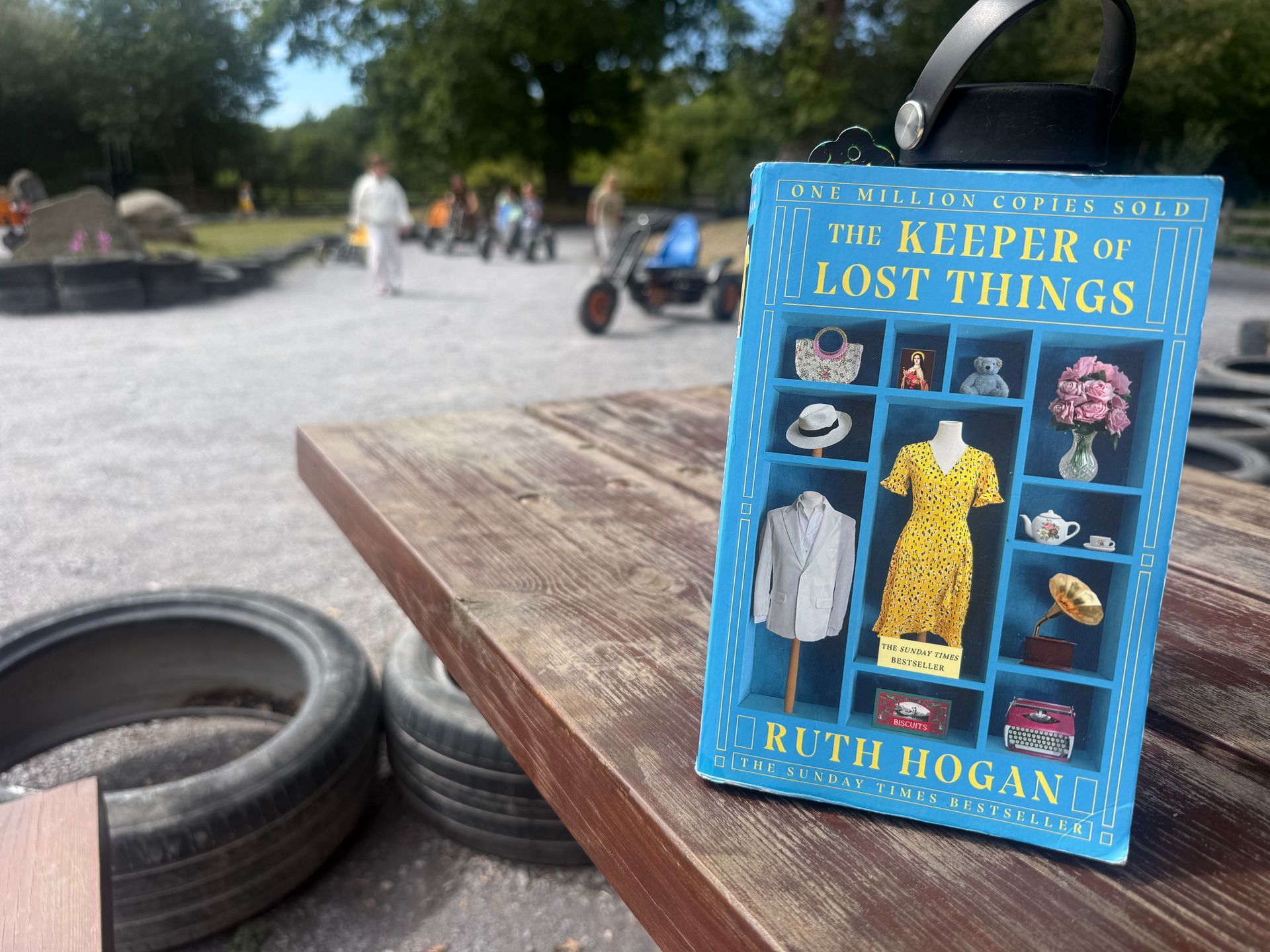
Every summer I imagine there will be long afternoons spent reading in the garden. The reality is usually very different.
This summer has been filled with four children, days out, work squeezed into the cracks of the day, endless washing, snacks on repeat and all the beautiful chaos that school holidays bring. I wouldn’t change it for the world, but I have noticed that in seasons like this, finding moments of stillness feels much harder. There is always someone needing something, somewhere to be, another decision to make, another mental note to remember.
And yet, almost every evening, I find myself climbing into bed with a book.
It has quietly become my favourite part of the day.
Not because I’m racing to finish another novel or trying to read a certain number of books this year, but because the simple act of opening a book has become a signal to my mind that the day is done. There are no more emails to answer, no more lunches to prepare, no more work to squeeze into the evening. Just pages waiting to be turned.
I’ve realised recently that reading has become a form of slow medicine.
Not medicine in the traditional sense, but something that gently settles my nervous system after a day of juggling the many roles that midlife often asks us to hold. Wife, mother, daughter, business owner, friend, organiser, planner… so much of our day is spent giving our attention away. We respond to messages, solve problems, remember birthdays, arrange appointments and carry an invisible mental load that often goes unnoticed because we’ve become so used to carrying it.
Perhaps that’s why reading feels so different.
Unlike scrolling on my phone, which constantly asks my brain to switch attention every few seconds, reading invites me to stay in one place. One story. One thought. One moment. It asks me to concentrate in a way that feels increasingly rare, and somewhere between the first few pages and the end of a chapter, I notice my breathing slow, my shoulders soften and the noise inside my head become just a little quieter.
It’s no surprise that research suggests reading can reduce stress, improve sleep, increase concentration and even help us become more empathetic by allowing us to step into someone else’s world. But I don’t think we need research to tell us something many of us have instinctively known for years. We know how it feels when a good book completely captures our attention. We know the comfort of disappearing into a story for a while, only to return feeling calmer than when we left.
One of the unexpected things I’ve started doing this summer is taking my book with me when we head out for the day. It slips into my bag almost without thinking. Not because I imagine I’ll find hours to read, but because family life often gifts us with tiny, unexpected pauses. The children become absorbed in the playground or disappear into a game together and, for ten minutes, they don’t need me.
Those ten minutes have become precious.
Where I might once have instinctively reached for my phone, I now reach for my book. It feels like such a small shift, but it has changed something in me. Those few quiet pages remind me that I don’t have to wait for a weekend away, a retreat or a free afternoon to do something that nourishes me. Sometimes self-care isn’t found by escaping our lives; it’s found by paying attention to the small moments that already exist within them.
I think that’s something we often forget in midlife. We tell ourselves we’ll slow down when work becomes less demanding, when the children are older, when life feels less busy. But perhaps slow living was never about waiting for life to become quieter. Perhaps it’s about noticing the opportunities to create little pockets of calm in the life we’re already living.
For me, reading has become one of those pockets.
It’s a reminder that I don’t always need to be consuming information, learning something new or being productive. I can simply enjoy a story. I can allow my imagination to wander. I can spend twenty minutes doing something that serves no purpose other than making me feel more like myself.
The older I get, the more I realise that wellbeing isn’t built through grand gestures. It’s built through the small rituals we return to again and again. A morning walk. A cup of tea in the garden. A cold-water swim. Sitting quietly to watch the sunrise. Reading a few pages before sleep.
None of these things changes the circumstances of our lives, but they do change how we experience them.
Perhaps that’s why I’ve treasured reading so much this summer. Not because life has been calm, it hasn’t, but because reading has helped me find calm within it. It has reminded me that even on the busiest days, there is usually a small window of time that belongs only to me. Ten minutes in a park while the children play. Twenty minutes before sleep. A chapter on a train or in a waiting room.
These moments don’t ask us to change our lives. They simply invite us to experience them a little more slowly.
And maybe that’s why reading feels like such powerful medicine in midlife. Not because it fixes anything, but because every time we open a book, we’re gently reminded to pause, to breathe and, if only for a little while, to let the rest of the world wait until we’ve turned one more page.
For more information about our yoga and wellness retreats visit us
here.
Laura Bell is the founder of Zest Life and has been leading yoga and wellness retreats in the UK and abroad for over a decade. A qualified yoga teacher and experienced retreat leader, she designs and hosts small group retreats rooted in nature, movement and genuine care. Laura also works with organisations to design and deliver bespoke corporate wellness programmes and retreats - bringing the same standards of quality and thoughtful facilitation to workplace wellbeing.