The Quiet Power of Yoga: Restoring Your Nervous System in Midlife
The story of how yoga found me after I broke my back, and why slow, breath-led movement matters most in midlife.
Twenty five years ago I broke my back. It was a gloriously sunny day in Western Australia, the kind that makes you feel invincible. My boyfriend and I were heading out by boat to Rottnest Island, just off the coast of Perth, when a perfectly ordinary wave lifted us up and threw us both into the air. I came down hard, slamming back into the boat. In that single moment, the whole course of my life changed.
I couldn’t move. There was a searing pain in my lower back and a deep cramping down my legs, though I had no real sense yet of how serious it was. I had broken my spine in two places. We made our way slowly back to shore, where I was carried to the car, wheeled into hospital, and didn’t come out for six weeks.
The X-rays showed unstable fractures at T12 and L1. A scan showed that my spinal cord was intact, which is the only reason I can sit here and write this. I was given a choice: an operation to fuse my spine with metal plates and rods and be out within ten days, or lie completely flat on my back for six weeks and let it heal on its own. I chose to lie still.
And so I was wheeled into the spinal unit on a trolley, unable to sit up or even roll over. For six weeks I did everything lying down. Eating peas that way was an education. So was having my hair washed.
I was eighteen, full of life and energy, and all at once I had nothing but time to think. A lot of questions surfaced in those weeks. Why me? And the answer that kept coming back, quietly: why not me?
Then the day came to stand, and I stood. At first I could only walk the length of the corridor, then a little further each day, until I was up and about in a brace for another six weeks. I wasn’t going to let it ruin my travel plans, so I sent my backpack home, bought a bag on wheels instead, and carried on through New Zealand and the Pacific Islands before flying home three months later.
Before I left, a doctor told me I ought to take up pilates or yoga to keep my back strong. I’d never tried either. So when I got home, I opened the Yellow Pages, found a class nearby, and went along. I watched my body change in front of my eyes, and my life quietly got better because of it.
I was supposed to come home and study medicine. But after a scare like that, after seeing how short life can be and how quickly everything can change, I kept travelling instead. Through the people I met along the way, I was drawn into teaching yoga. The rest, as they say, is history.
Yoga has carried me the whole way since. Through injury and emotional wobbles, through worry and stress, through pregnancies and break-ups, high days and low ones. Sunny mornings in the garden, warm beaches a long way from home, cold winter afternoons wrapped in layers by the fire. It has been there for all of it.
Because in the end, all yoga really asks is that you show up. You roll out the mat, you sit or you stand, and you see what happens. That is what I tell myself on the days I don’t feel like it. Sometimes the body feels too raw and unfolding into anything at all is too much, so a quiet minute in child’s pose is all there is. But it is still there. There is still a pose to be had, and it still helps.
I used to practise for hours every day, back when I had nothing else to do: disciplined, devoted, travelling the world to deepen my love of it. Life looks rather different now. These days I have to carve the time out: ten minutes first thing in the morning, five before I sit down in the evening. But it’s there, and that is enough.
People often forget that the postures are only one small part of yoga. As I’ve moved into midlife, I’ve found myself drawn more and more to the parts no one can see: the breathwork, the stillness, the quiet practice of doing no harm, to myself as much as to anyone else. My practice has grown slower and more restorative, and the years on the mat have given me a steadiness I’m not sure I would have found anywhere else.
I notice it most when I’ve been away from it. Every time I step back into a studio, I exhale, and my first thought is always the same: this is exactly where I’m meant to be. I’ve missed this. It is a coming home to myself, a gathering back of all the scattered parts of me. For an hour I get to be just me — not the mother, the wife, the friend — but me, standing where my feet are, grateful for the body that has carried me this far.
And here is the part I would want you to hear, if you have ever wondered whether yoga is for you. It isn’t complicated, and you don’t have to be able to touch your toes. Every day the body gathers tension, and in midlife, with everything menopause and the years can bring, the broken sleep, the low hum of anxiety that seems to arrive from nowhere, there can be a great deal of it. We are not broken. We are simply carrying a lot, and we need somewhere to set it down.
That is what this kind of yoga offers. Slow, deliberate movement, with the breath in time with each posture, is one of the simplest and most reliable ways I know to tell the nervous system it is safe to soften. You don’t need an hour, or a perfect routine, or a quiet house. You need a few minutes and the willingness to show up. Little by little, the body settles. Little by little, so do you.
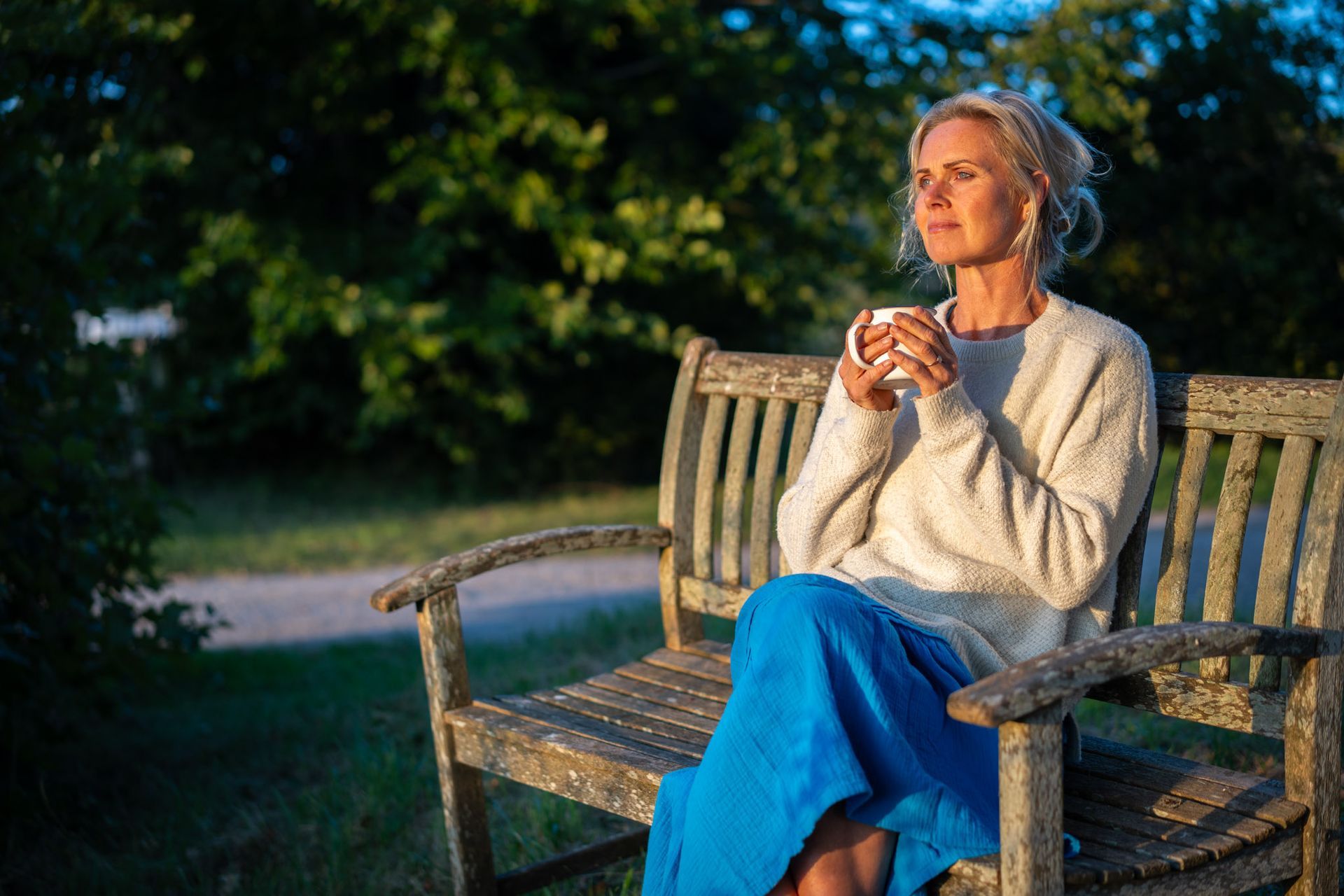
That, I think, is the quiet power of it. Not transformation. Just coming home to yourself.
It is the same thing every Zest Life retreat is quietly built around: the time, the space and the care to come back to yourself, properly. If that’s something you’ve been craving, our upcoming retreats are a good place to begin
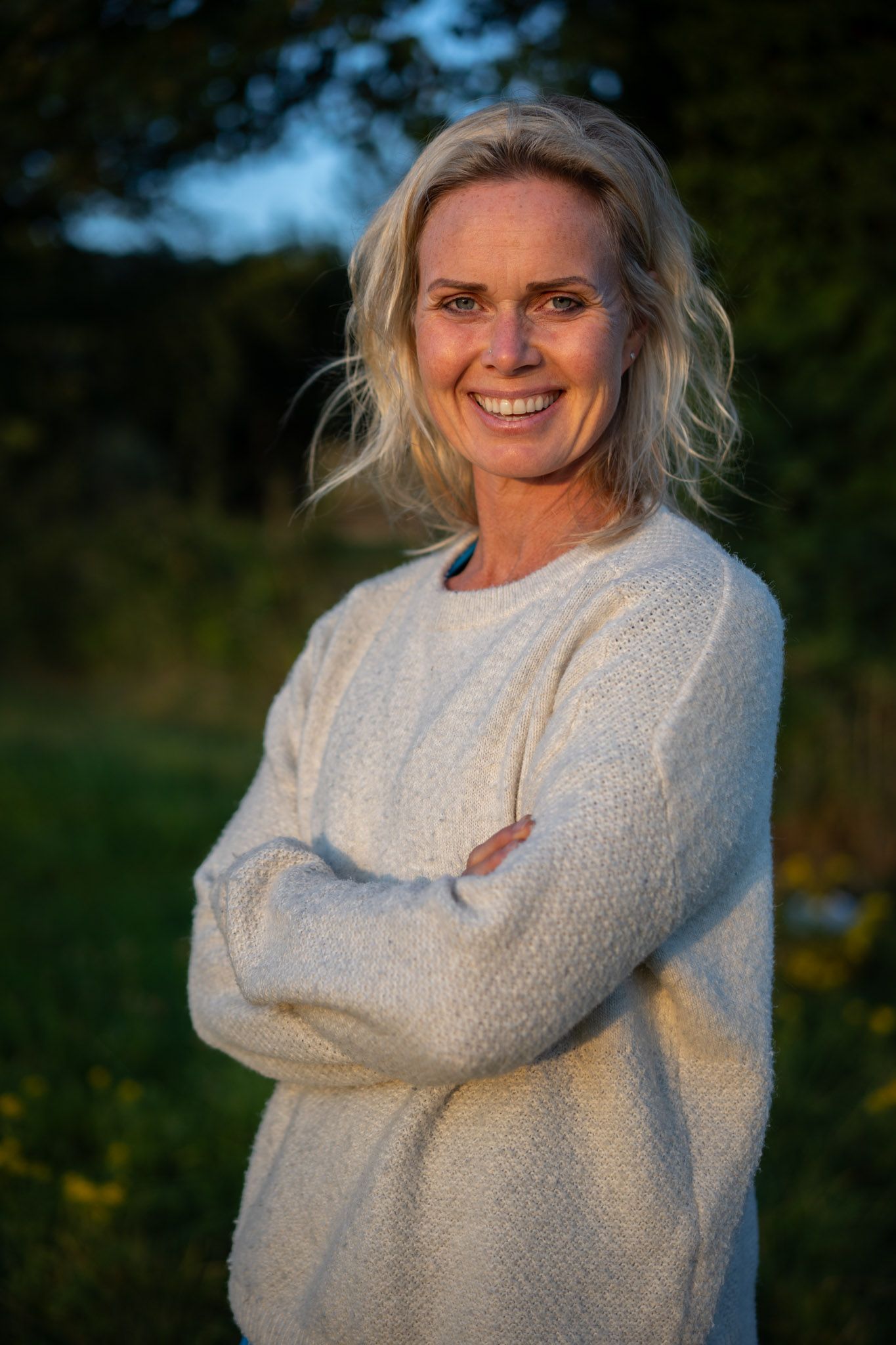
About Laura
Laura Bell is the founder of Zest Life and has been leading yoga and wellness retreats in the UK and abroad for over a decade. A qualified yoga teacher and experienced retreat leader, she designs and hosts small group retreats rooted in nature, movement and genuine care. Laura also works with organisations to design and deliver bespoke corporate wellness programmes and retreats — bringing the same standards of quality and thoughtful facilitation to workplace wellbeing.
Make some space for yourself
Small-group yoga retreats in Eryri, Anglesey, the Lake District and beyond, with wild swimming, walking and good food, all carefully held.